David Tudor: A View From Inside
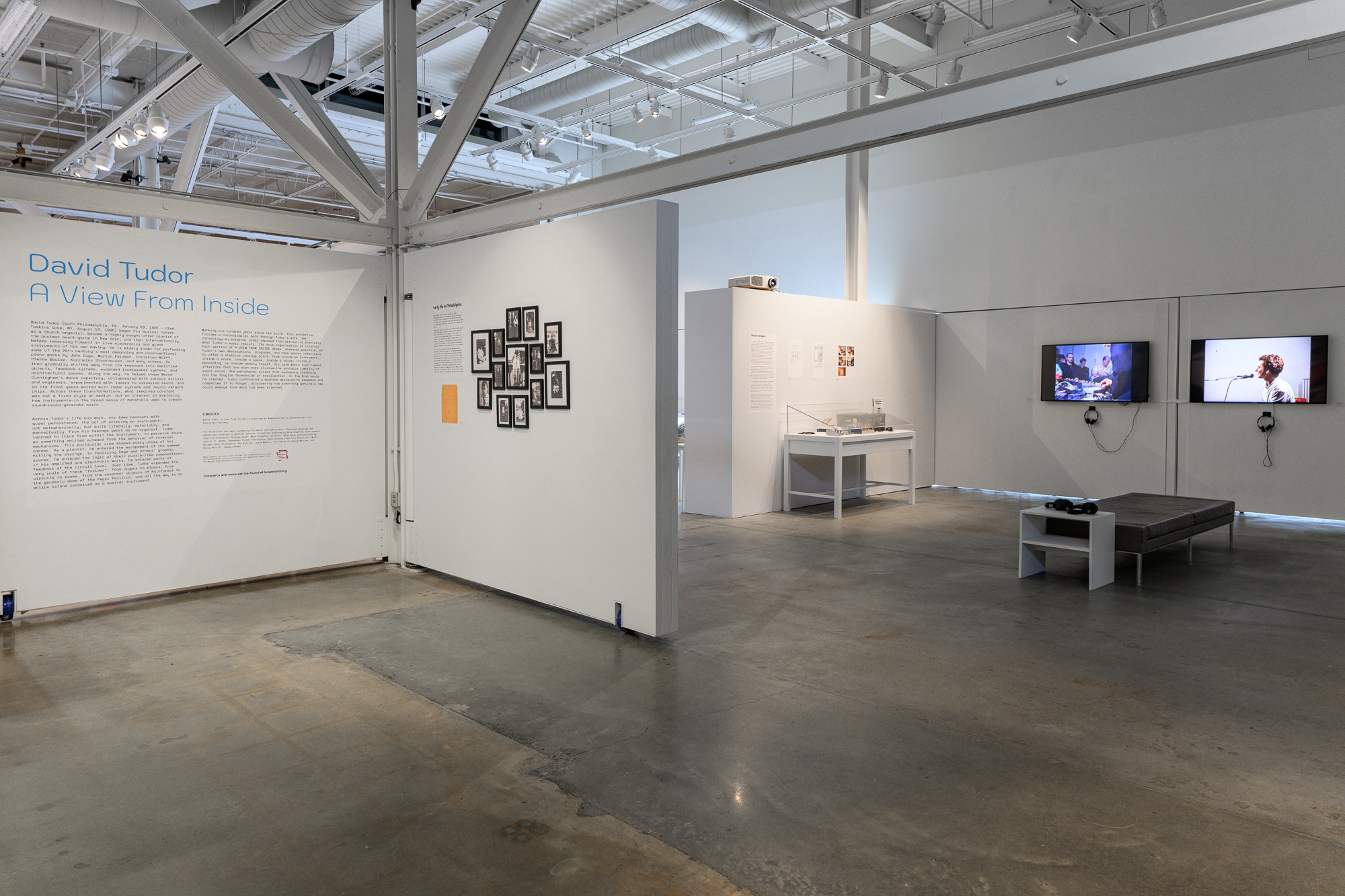
David Tudor: A View From Inside celebrates the life, work, and legacy of David Tudor (1926–1996), a Philadelphia-born pioneer of experimental music and sound art, on the centenary of his birth in 2026. Over the course of his career, Tudor treated sound not as something merely to be played, but as something to be set into motion. He built circuits and performance systems the way he once worked through a music score: by patient trial, calibration, and attention to what the materials disclosed. The result is a body of work in which the line between performer and composer repeatedly dissolves—interpretation shading into engineering, engineering into composition.
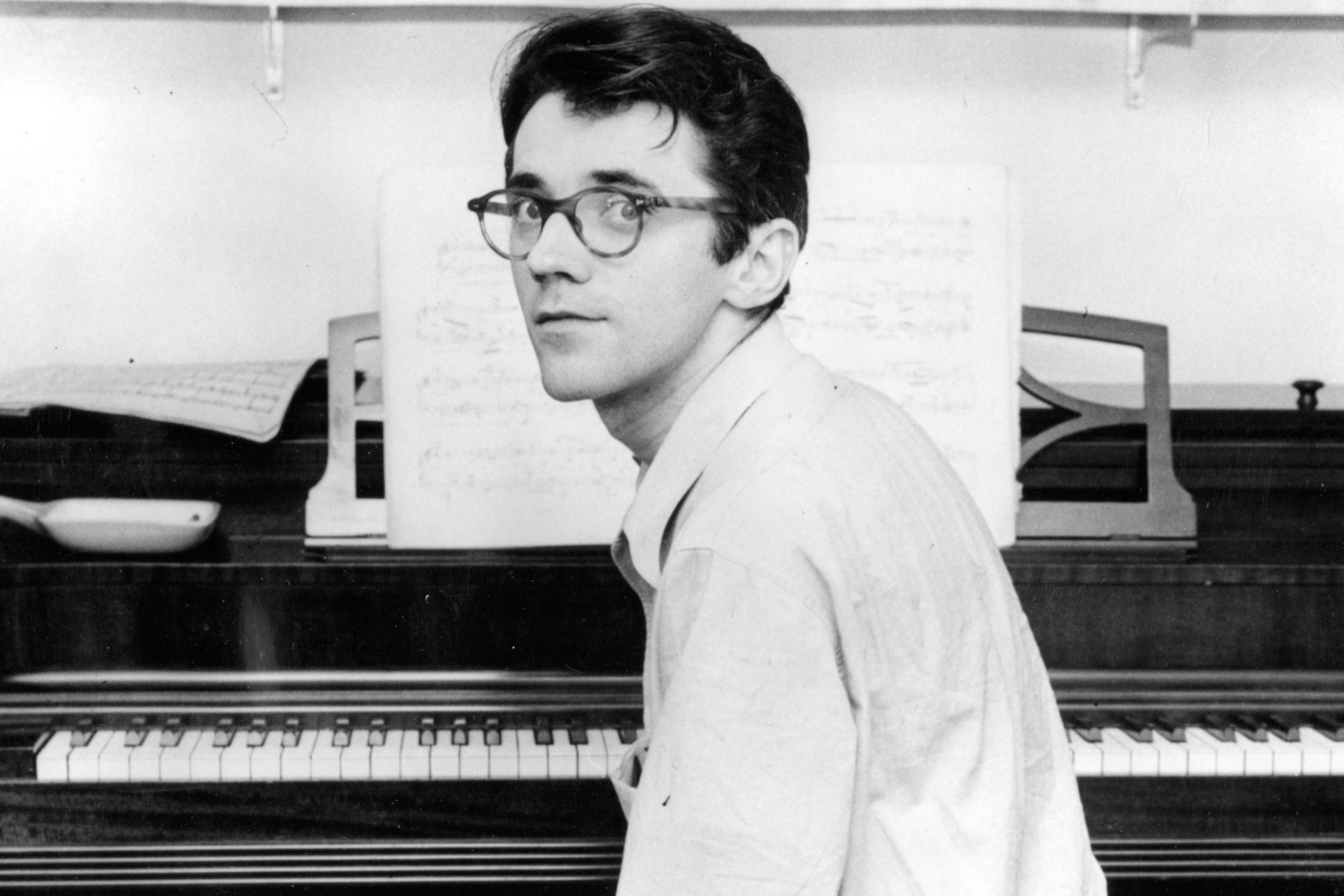
Tudor began his musical career as a church organist before becoming a highly sought-after pianist of the postwar avant-garde in New York and internationally. He gained prominence in the 1950s for his command of both virtuosic complexity and indeterminate scores—works whose notations and instructions demanded unusual precision, disciplined listening, and a kind of practical problem-solving. He is widely known for performing some of the 20th century’s most demanding and unconventional piano works by John Cage, Morton Feldman, Christian Wolff, Pierre Boulez, and Karlheinz Stockhausen, among many others.
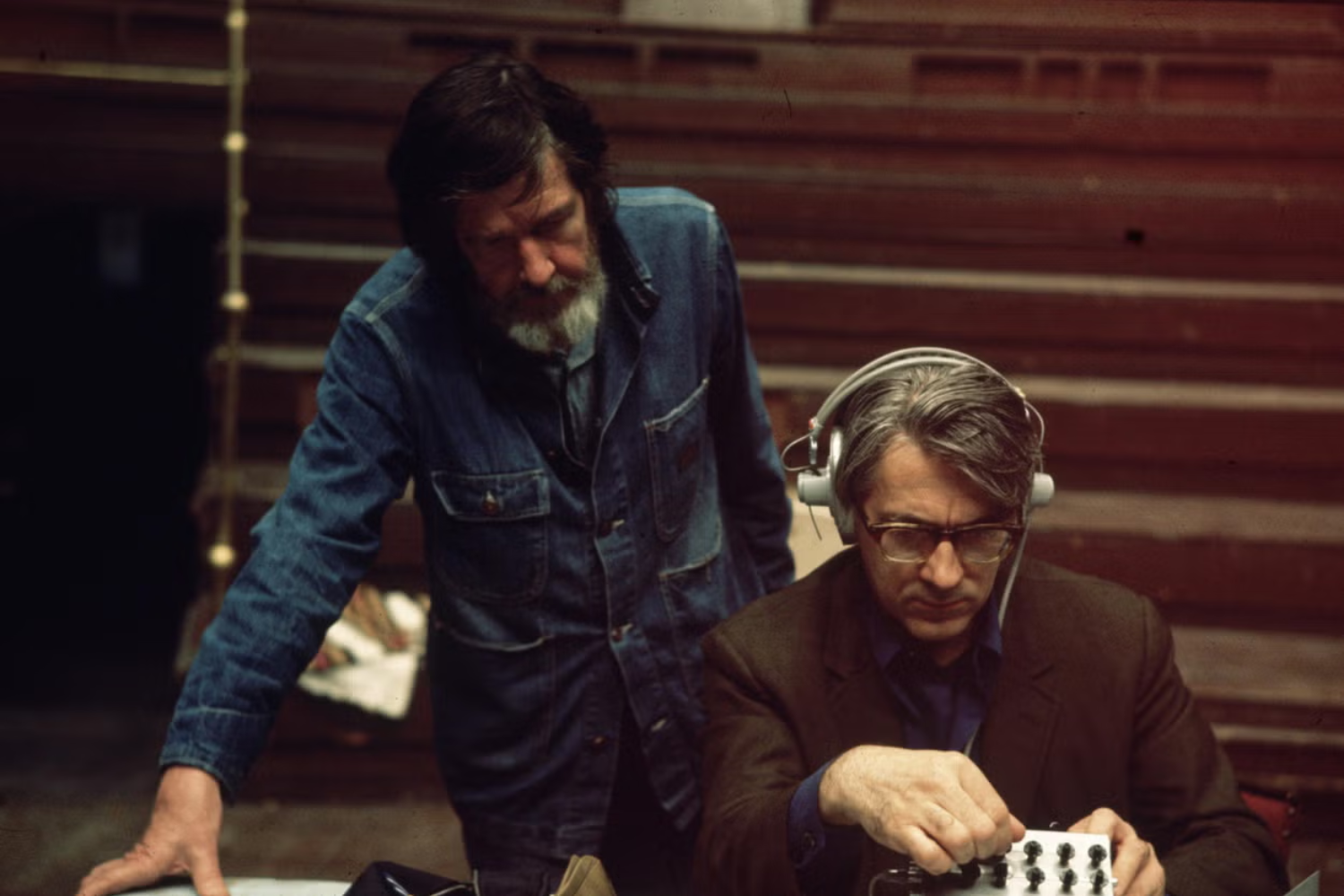
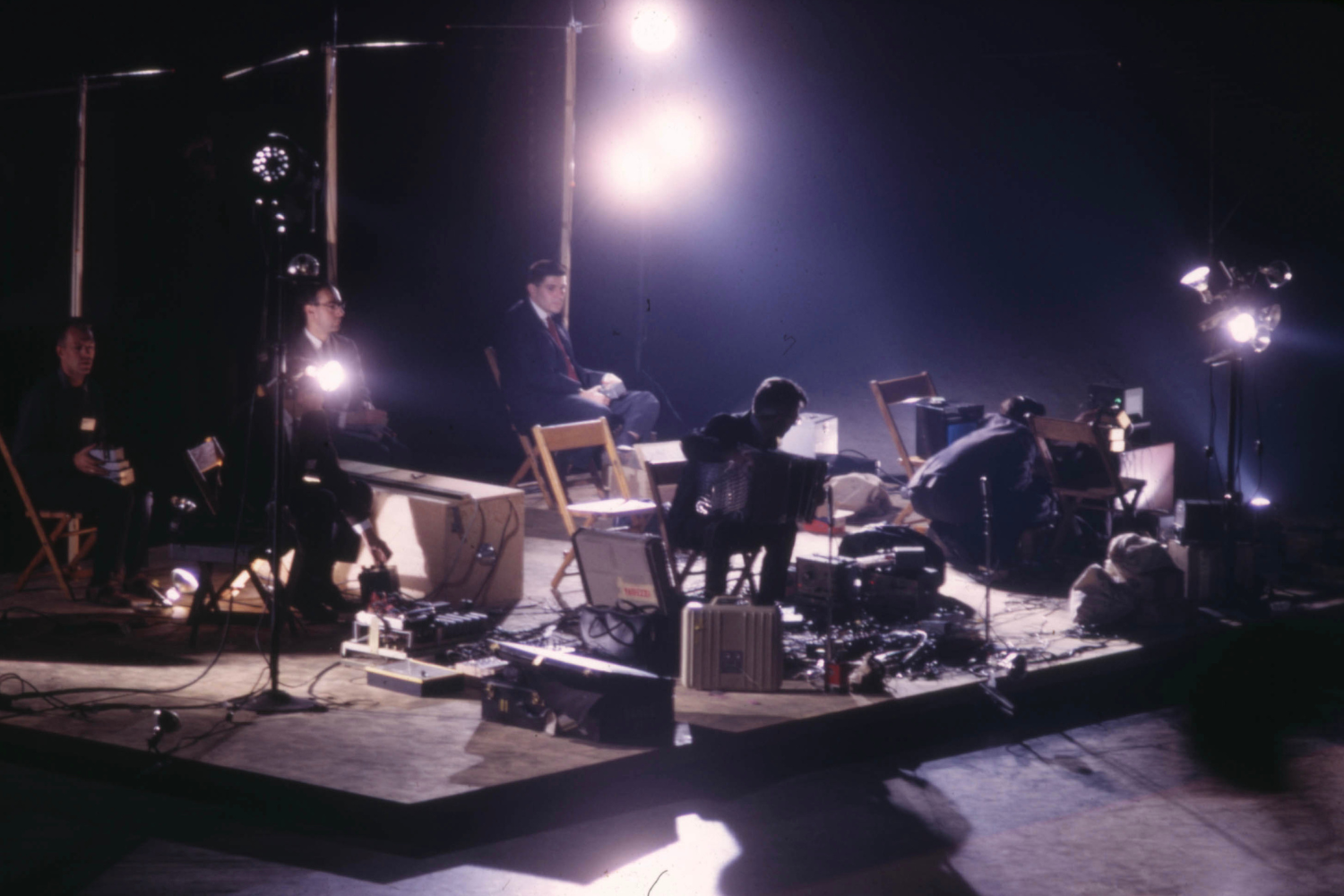
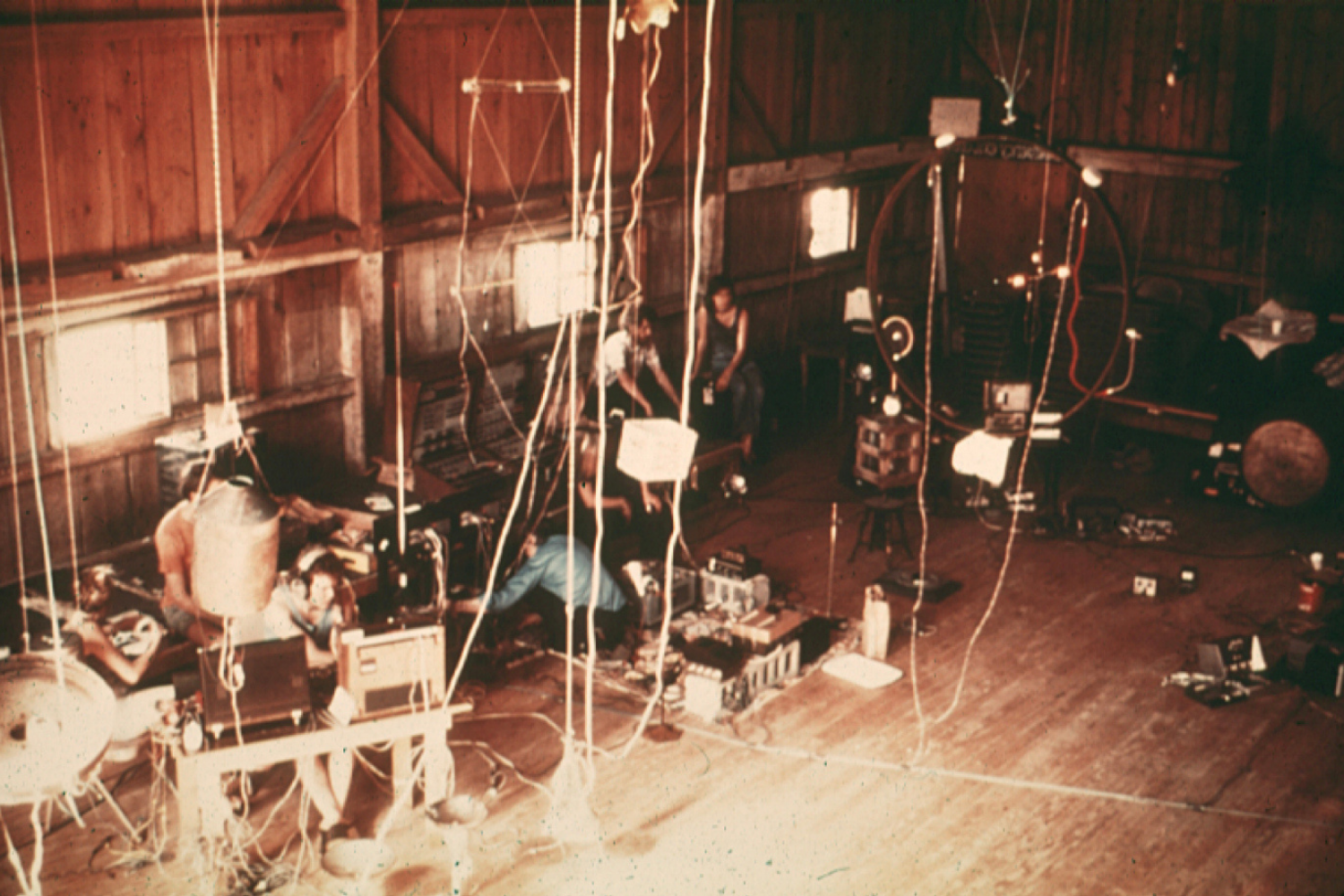
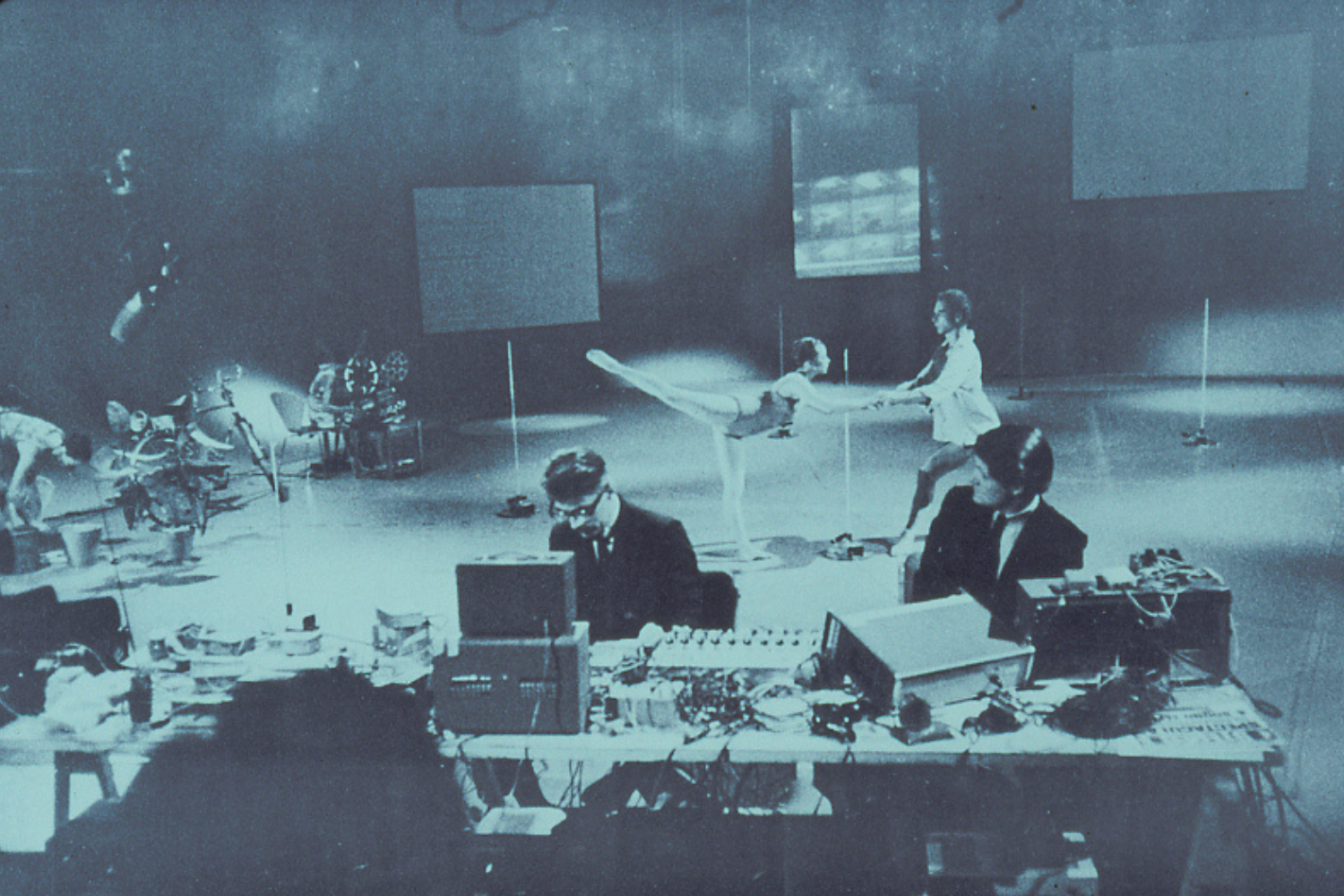
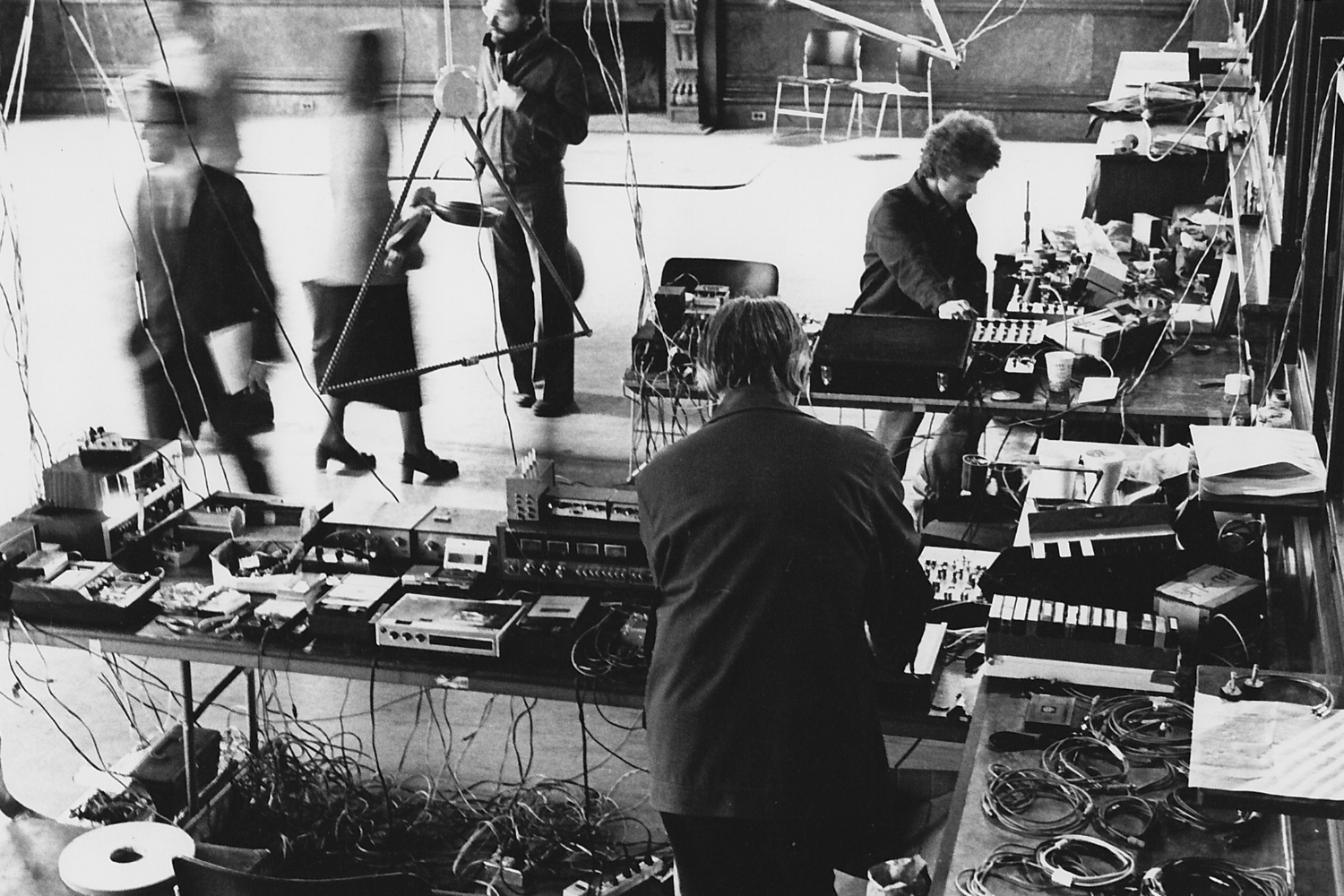
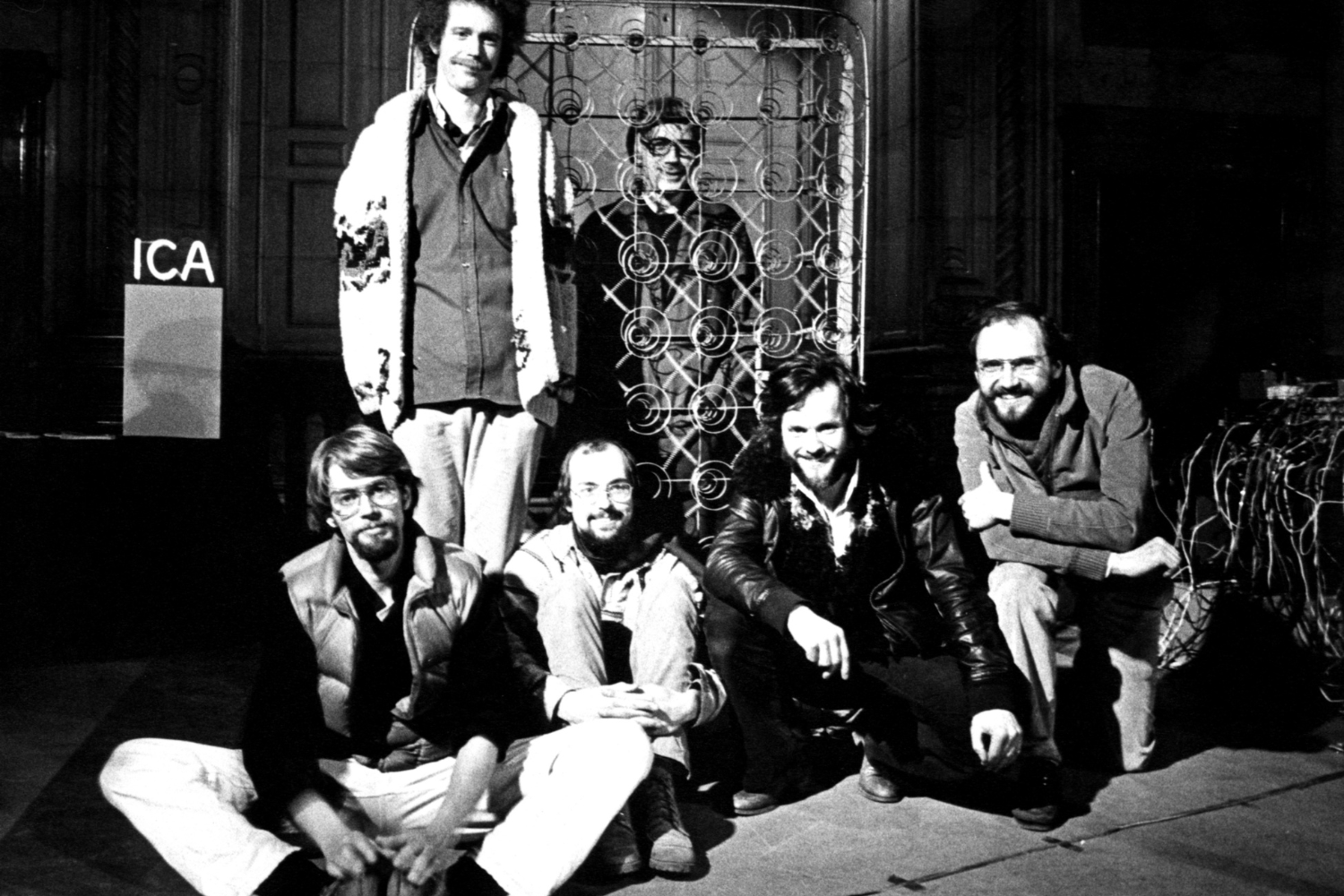
By the 1960s, Tudor gradually shifted away from the keyboard and immersed himself in live electronics and giant instruments of his own making, assembling performance systems from amplified objects, feedback systems, expanded loudspeaker systems, and architectural spaces. His projects include “Bandoneon!” for Experiments in Art and Technology’s “9 Evenings: Theatre and Engineering” (1966), the immersive sound environment for the Pepsi Pavilion at Expo ’70 in Osaka, and “Rainforest IV” (1973), in which found objects become resonant bodies for sound, realized with Composers Inside Electronics. Along the way, he helped shape Merce Cunningham’s dance repertory, experimented with lasers to visualize sound, and in his final years worked with radar systems and collaborated with engineers at Intel on the “Neural Network Synthesizer,” a technology that anticipated current AI systems by decades. Tudor died in Tomkins Cove, New York, on August 13, 1996.
Across these transformations, what remained constant was not a fixed style or medium, but an interest in exploring how instruments—in the broadest sense of materials used to create sound—could generate music. One idea recurs with quiet persistence throughout Tudor’s life and work: the act of entering an instrument—not metaphorically, but quite literally, materially, and perceptually. From his teenage years as an organist, Tudor learned to think from within the instrument: to perceive sound as something emitted outward from the behavior of internal mechanisms. This particular view shaped every phase of his career. As a pianist, he entered the escapement of the hammer hitting the strings; in realizing Cage and others’ graphic scores, he entered the logic of their puzzle-like compositions; in his amplified and electronic works, he entered the circuitry and paths of feedback at the circuit level. Over time, Tudor expanded the very scale of these “insides”: from organs to pianos, from circuits to rooms, from the resonant objects of Rainforest to the geodesic dome of the Pepsi Pavilion, and all the way to an entire island conceived as a musical instrument.
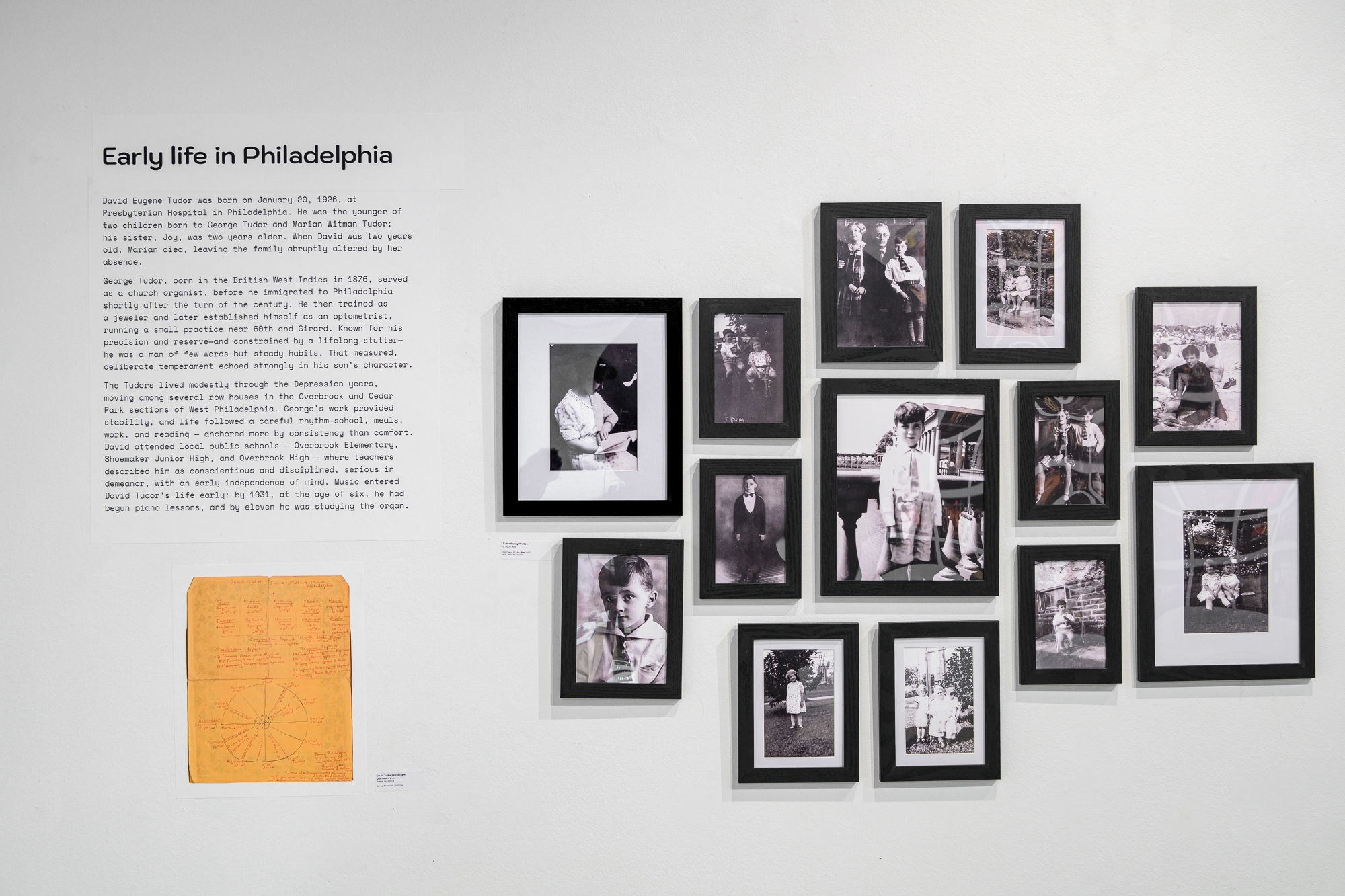
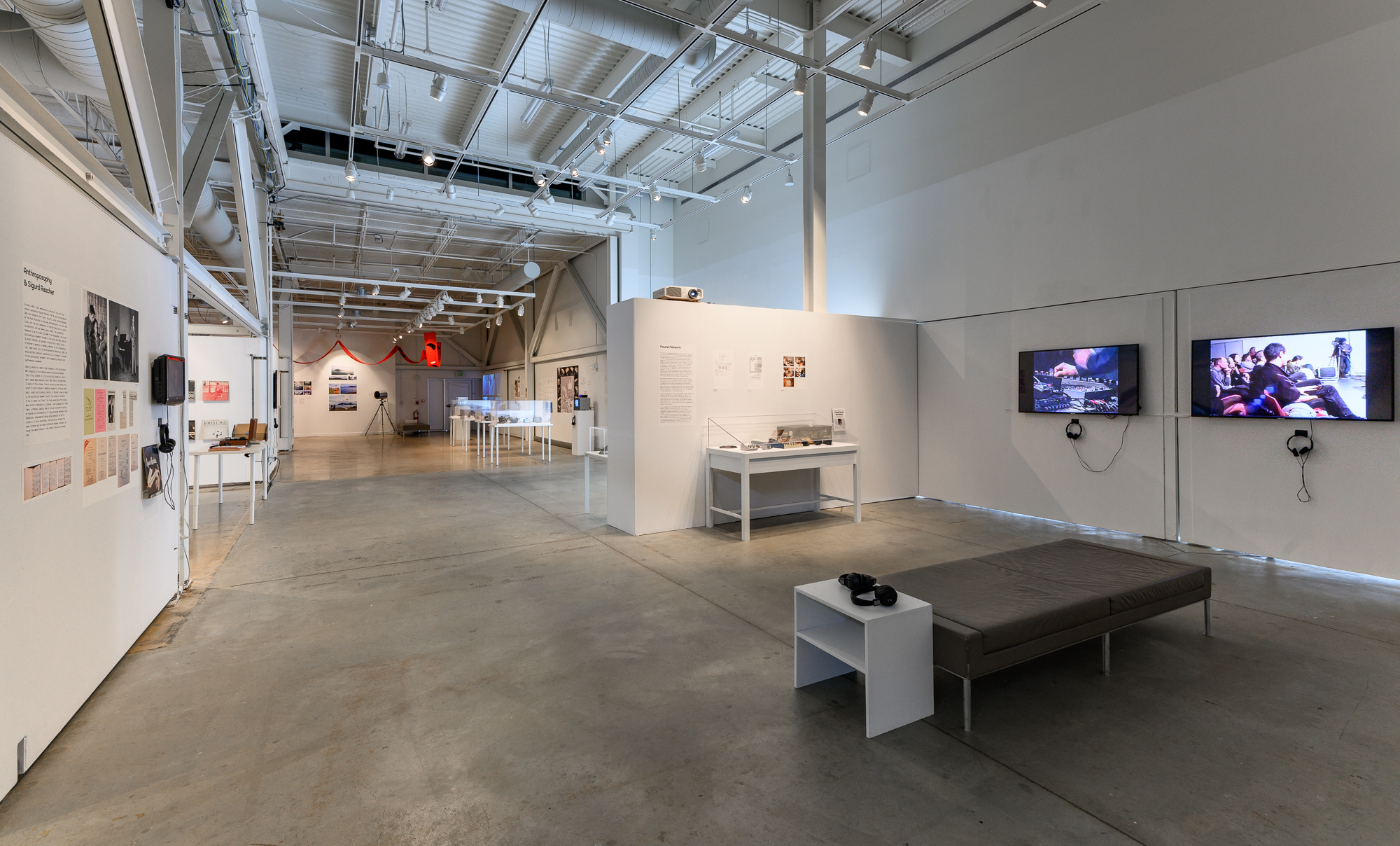
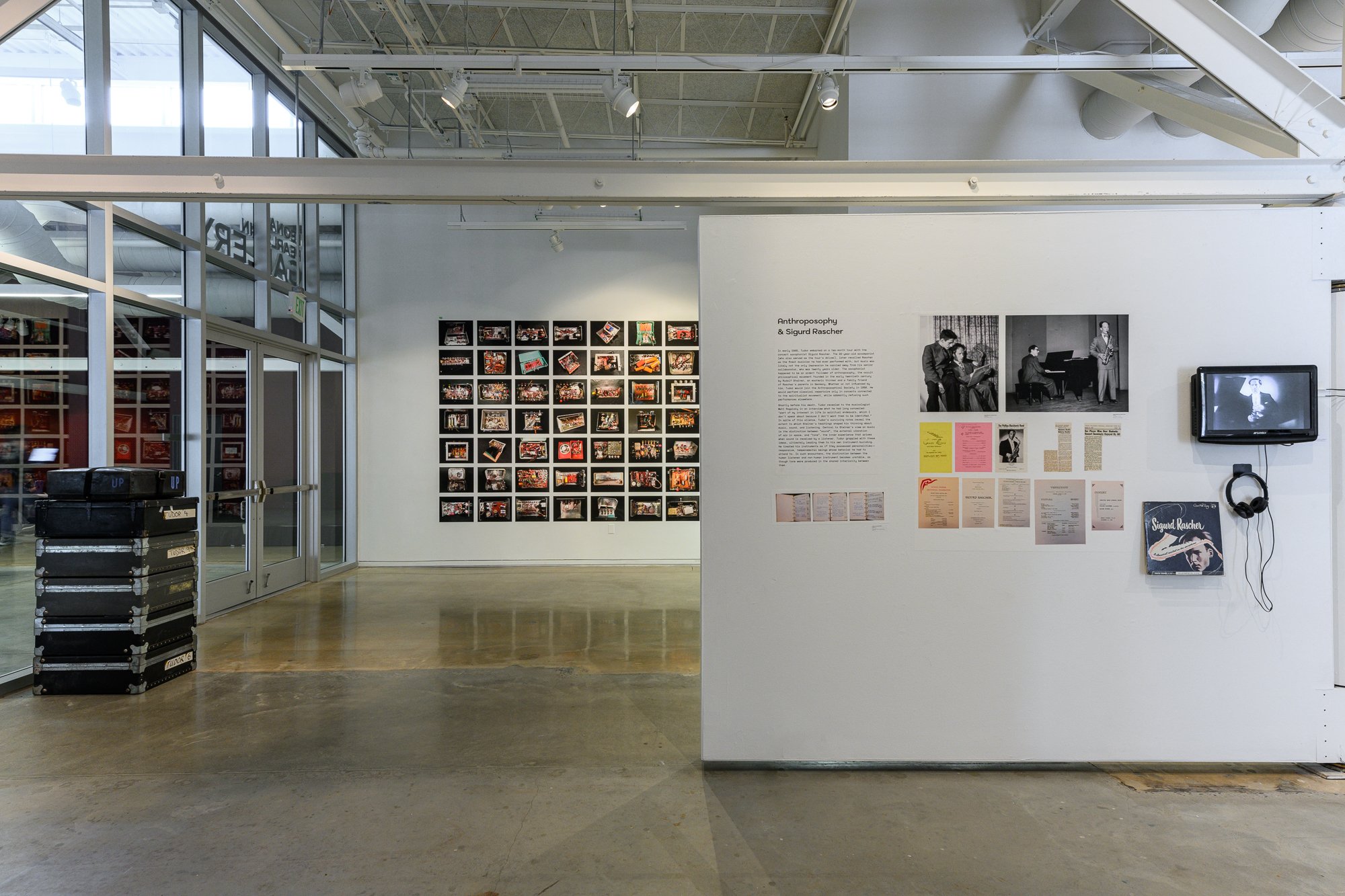
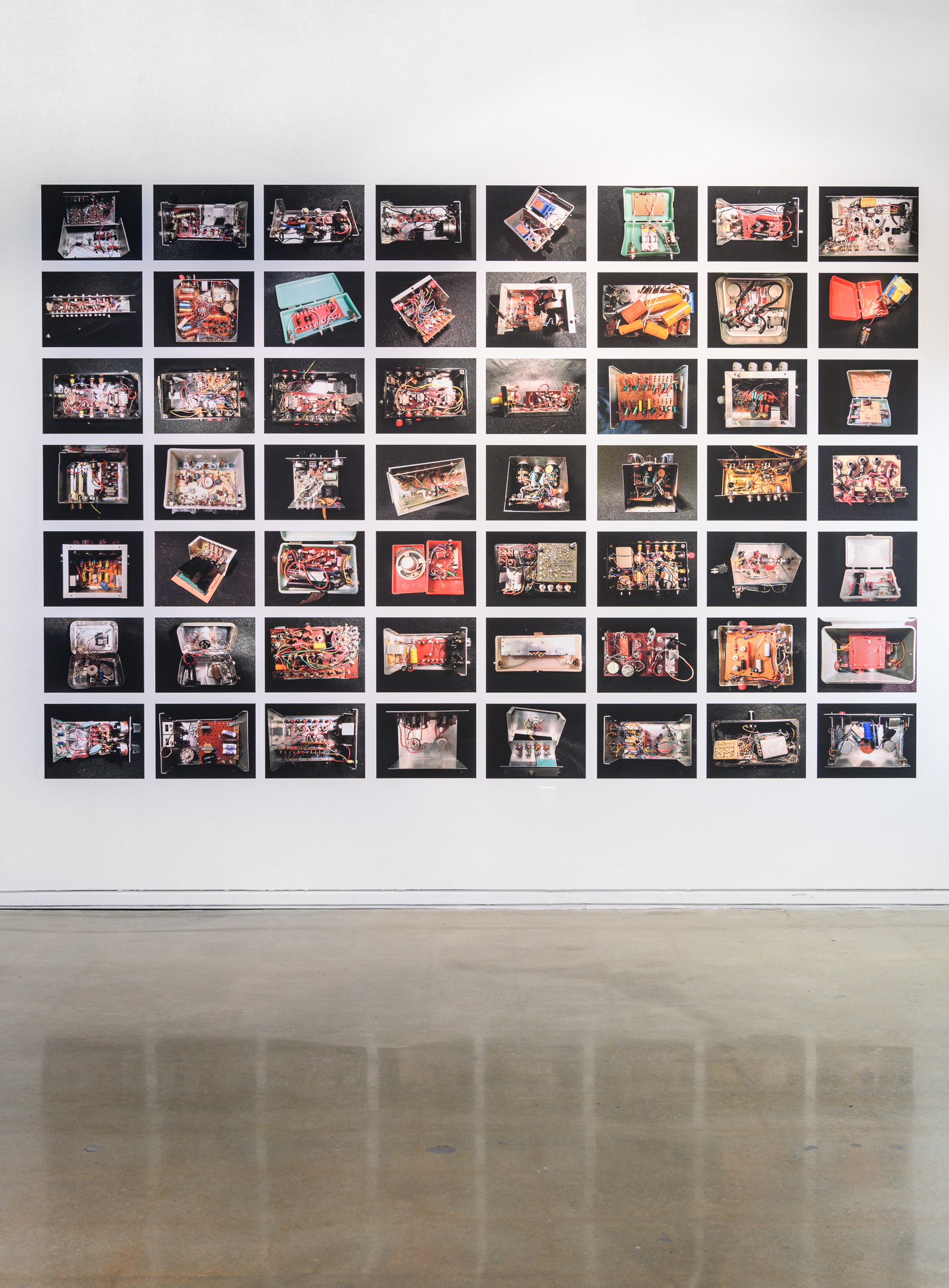
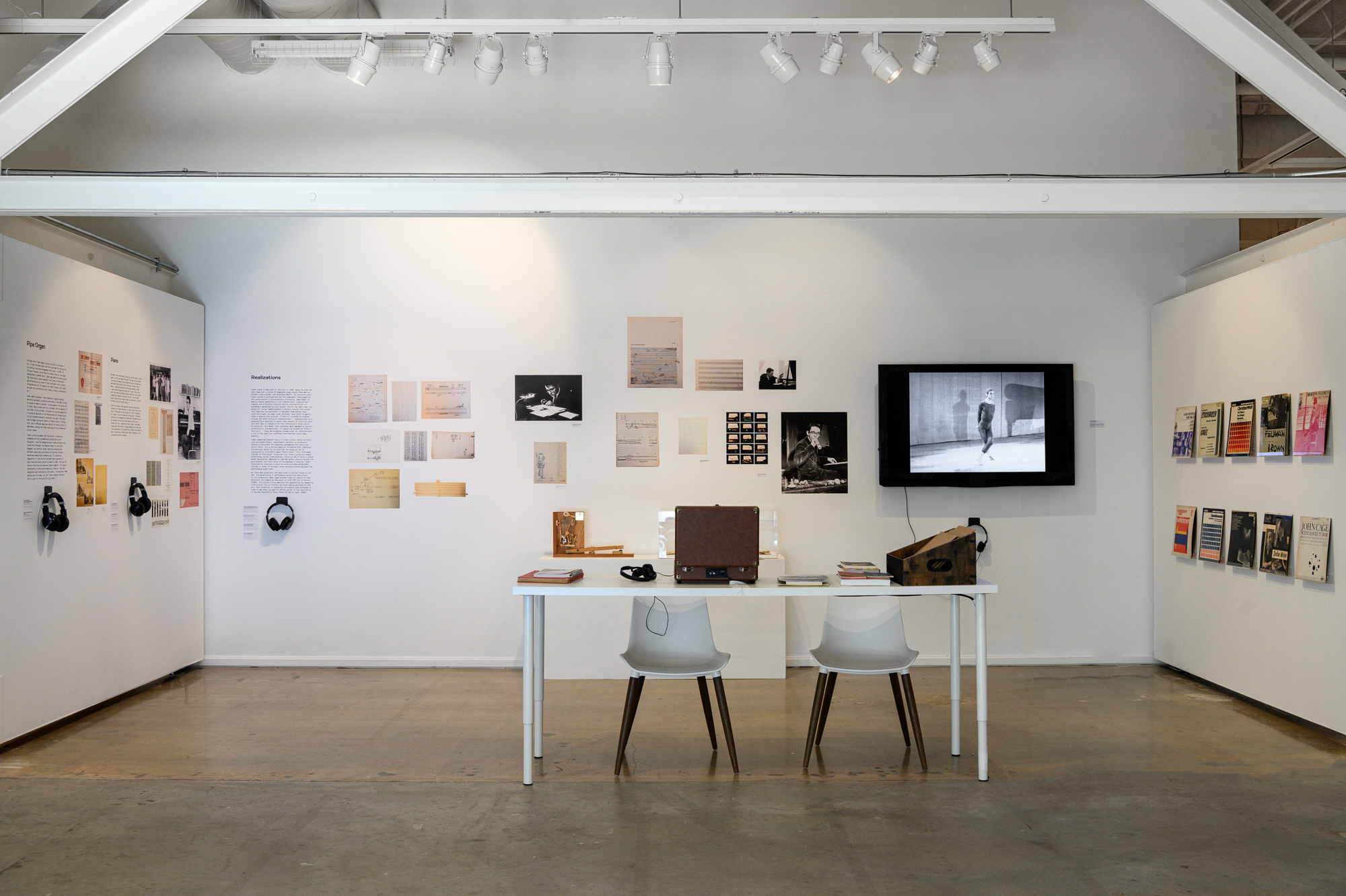
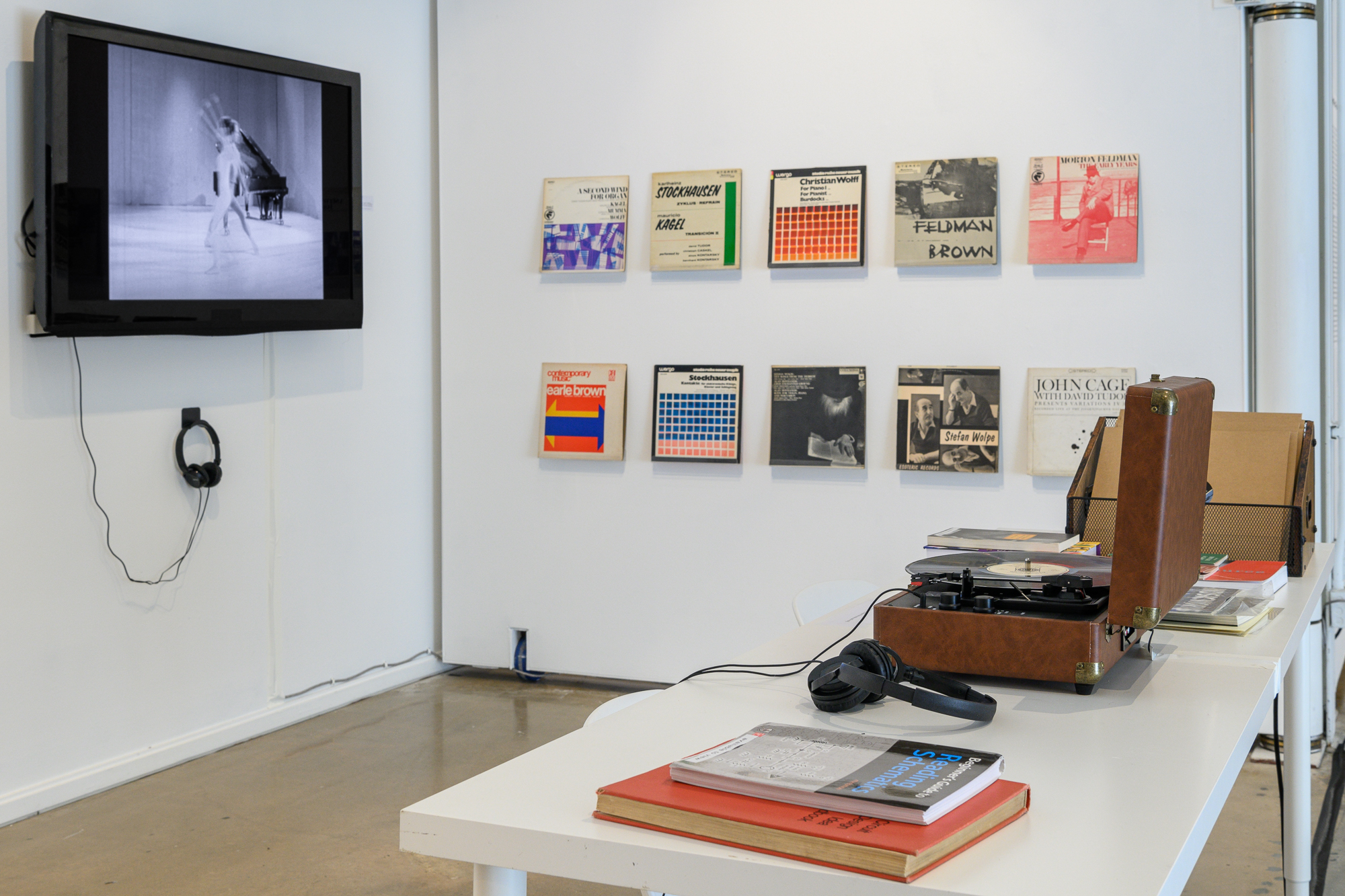
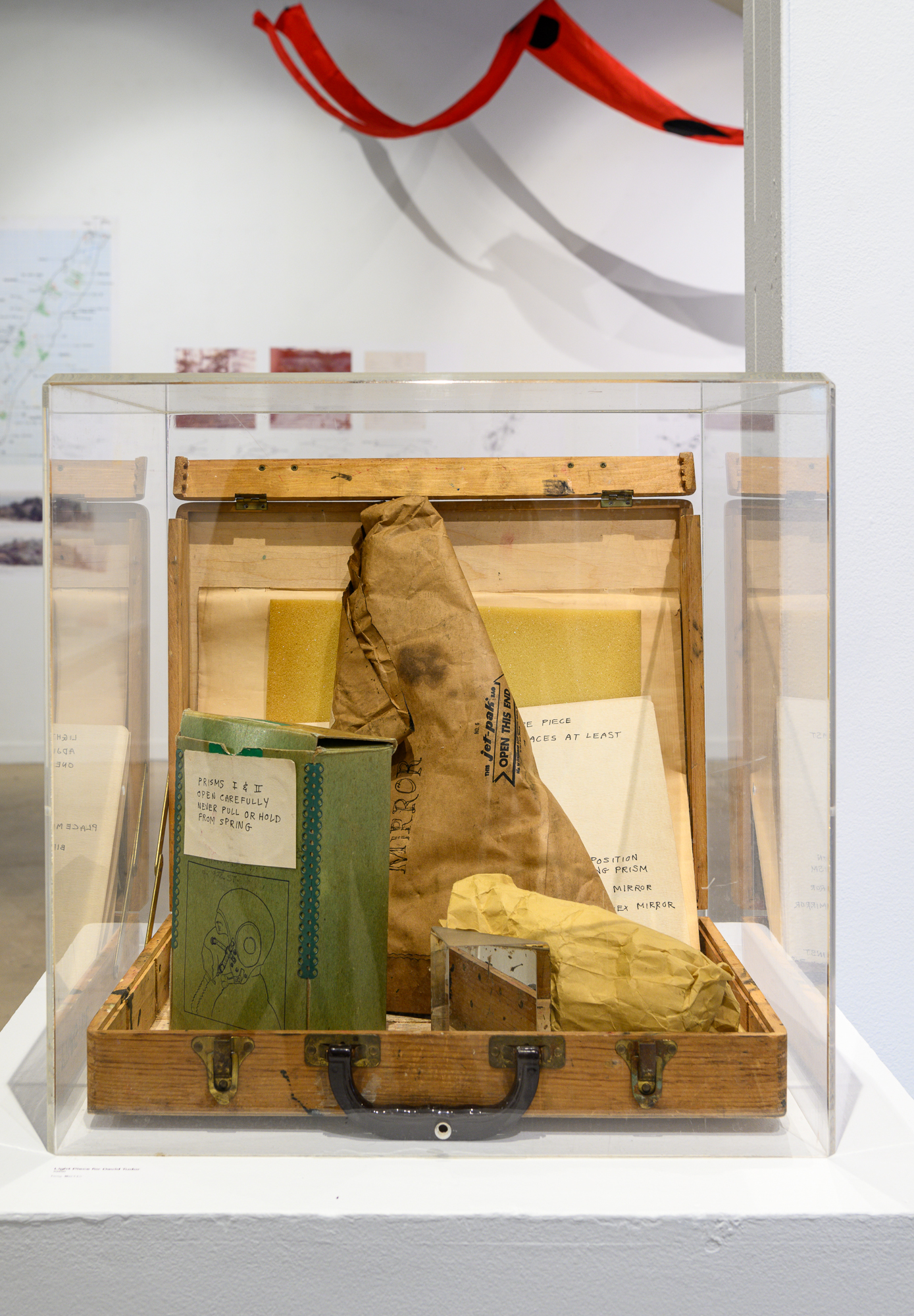
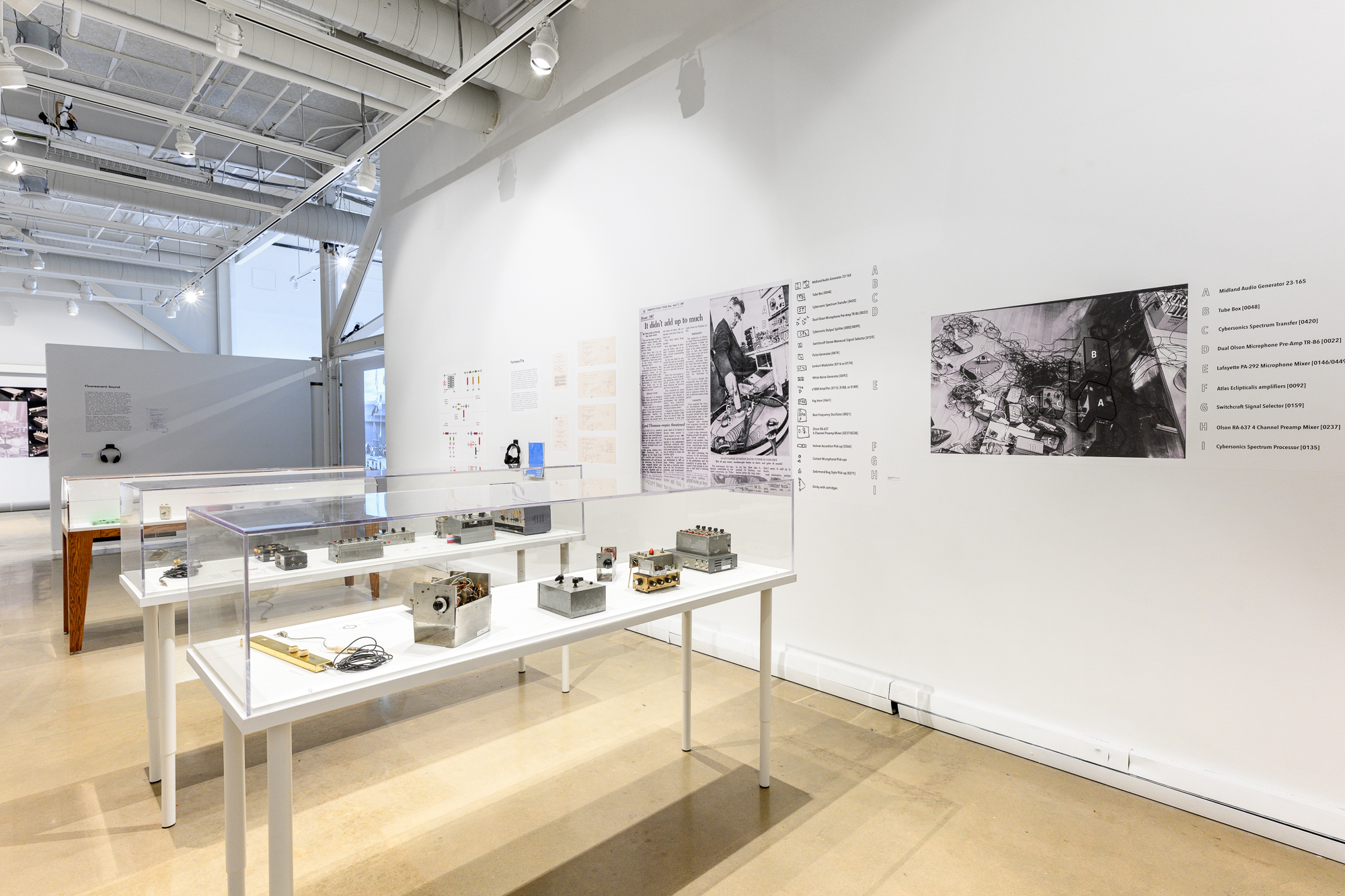
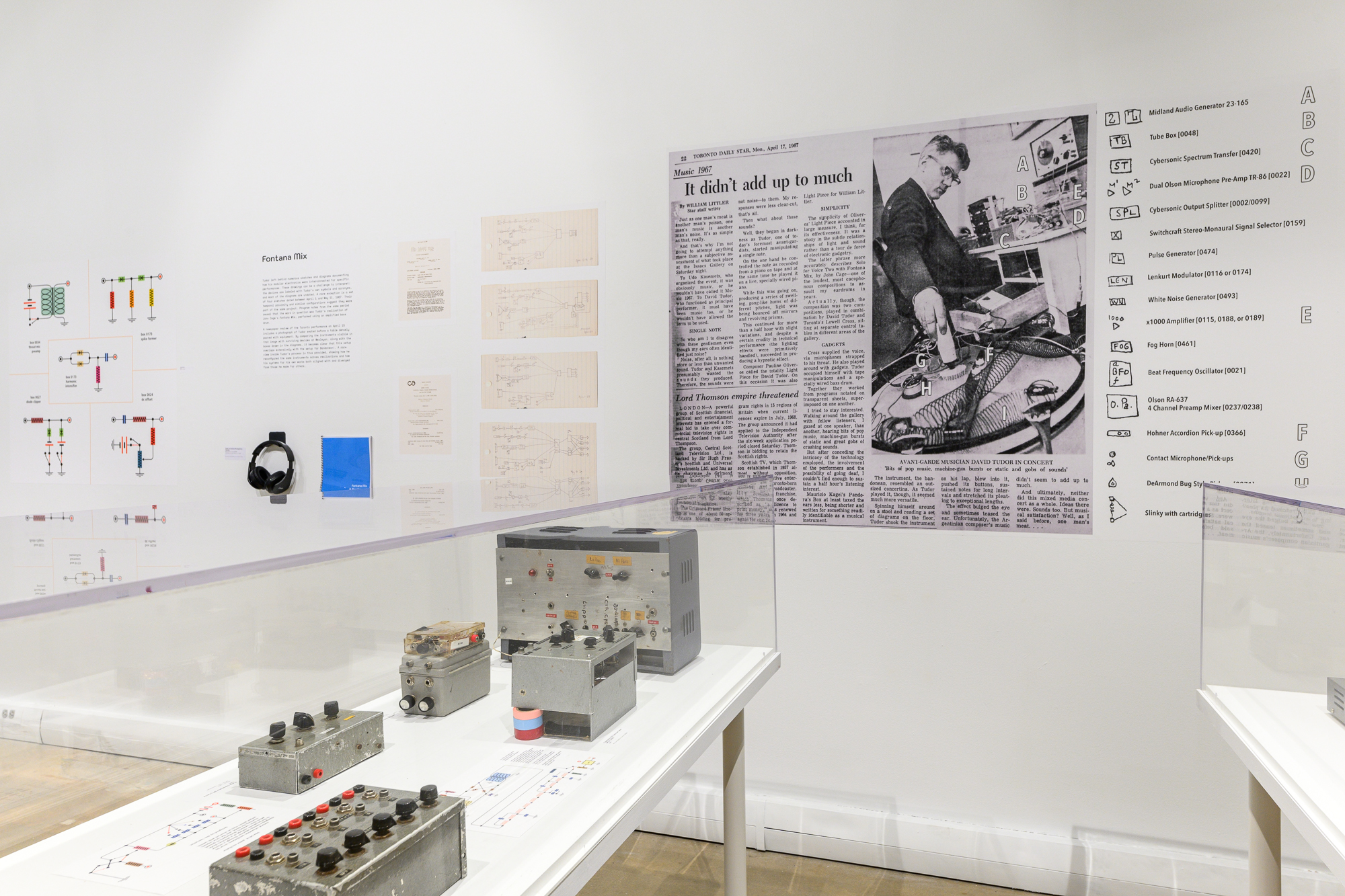
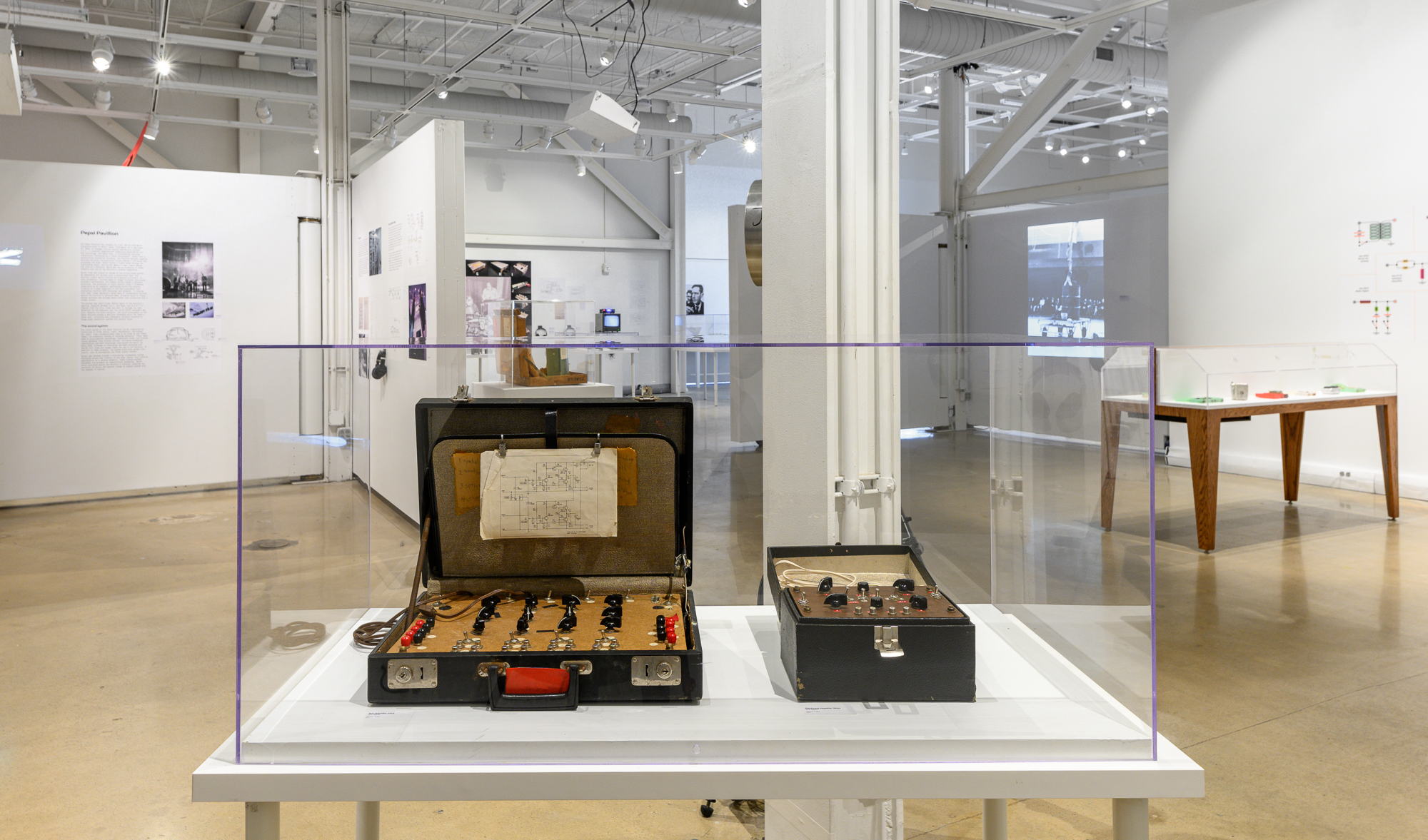
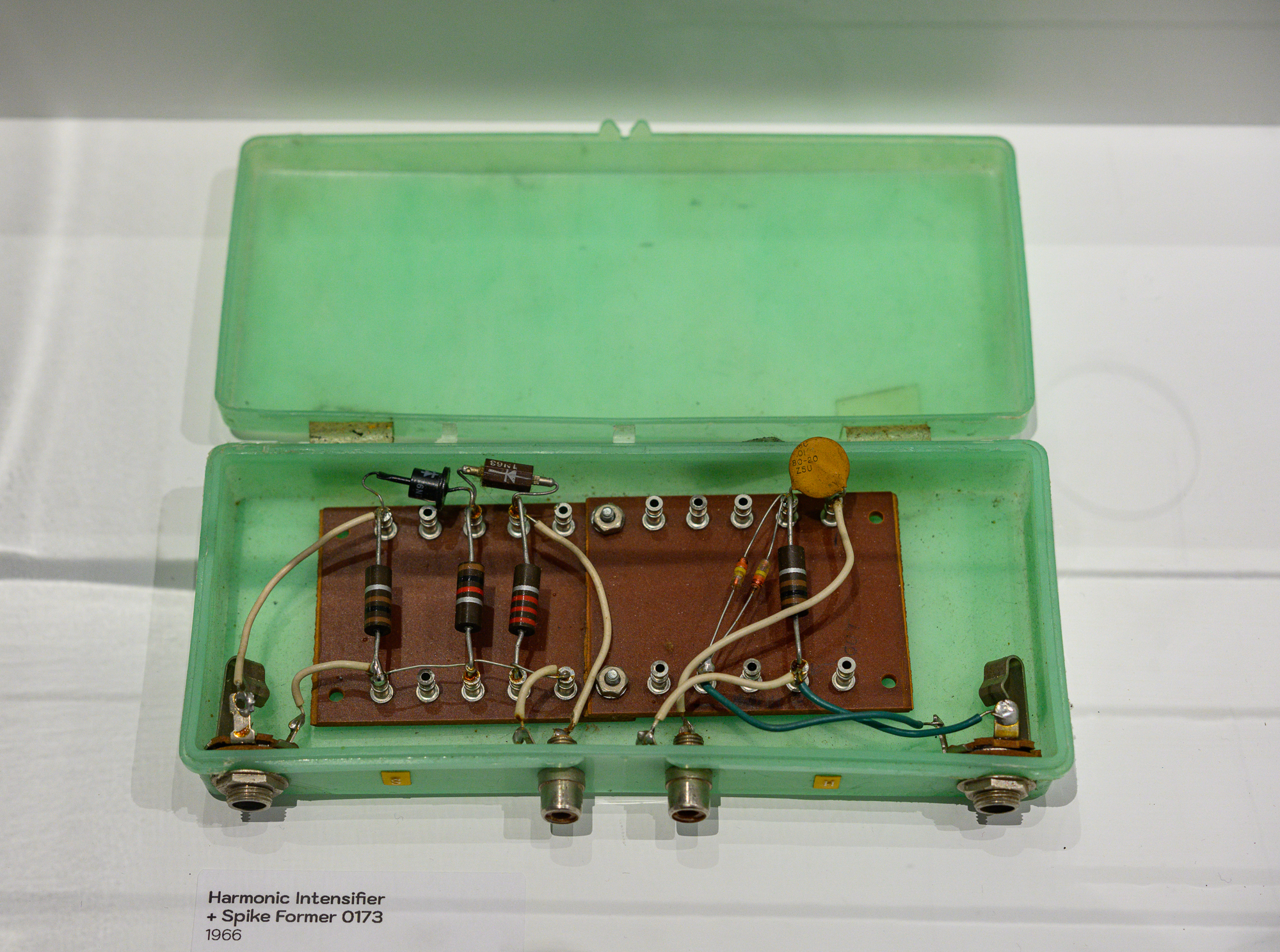
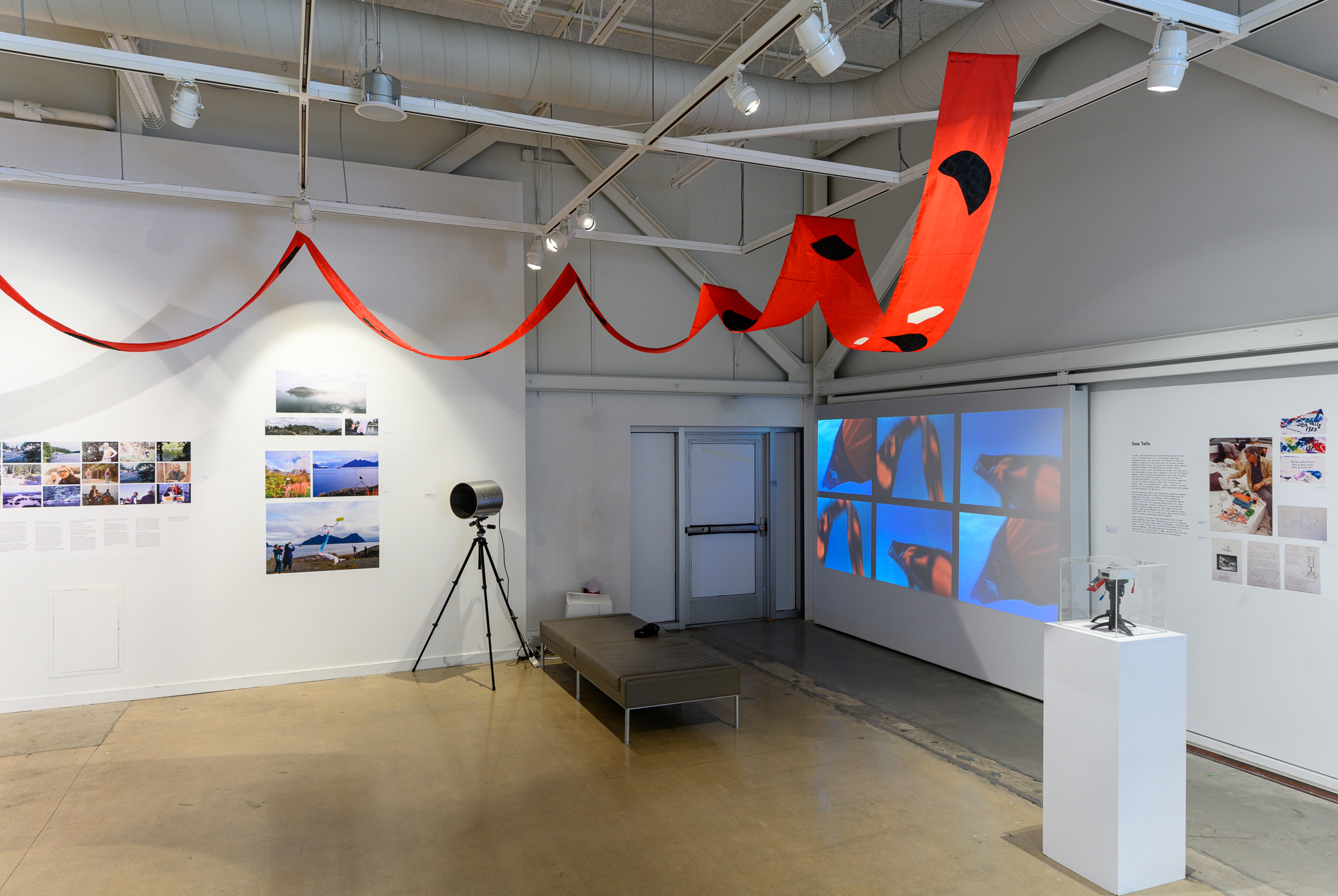
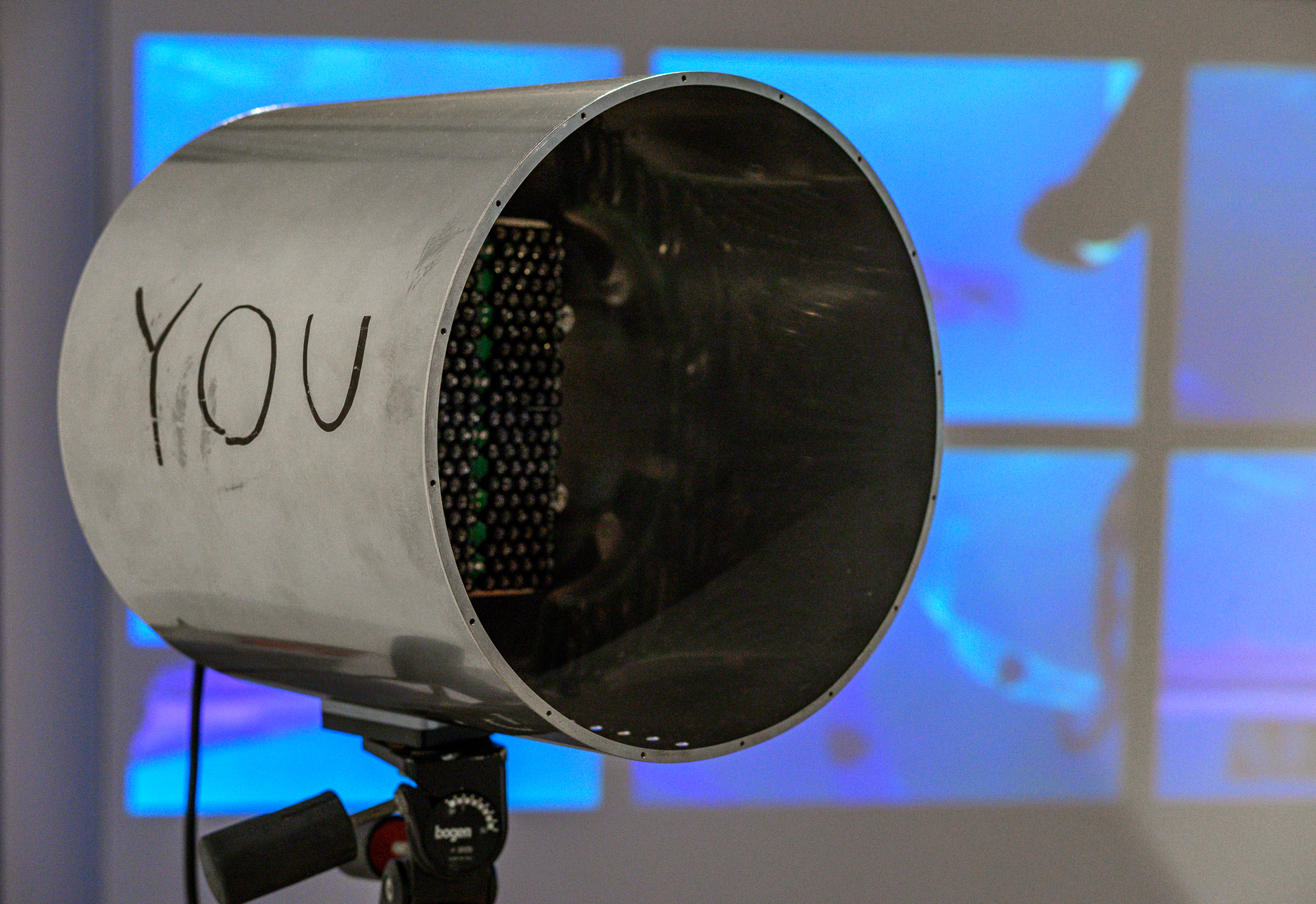
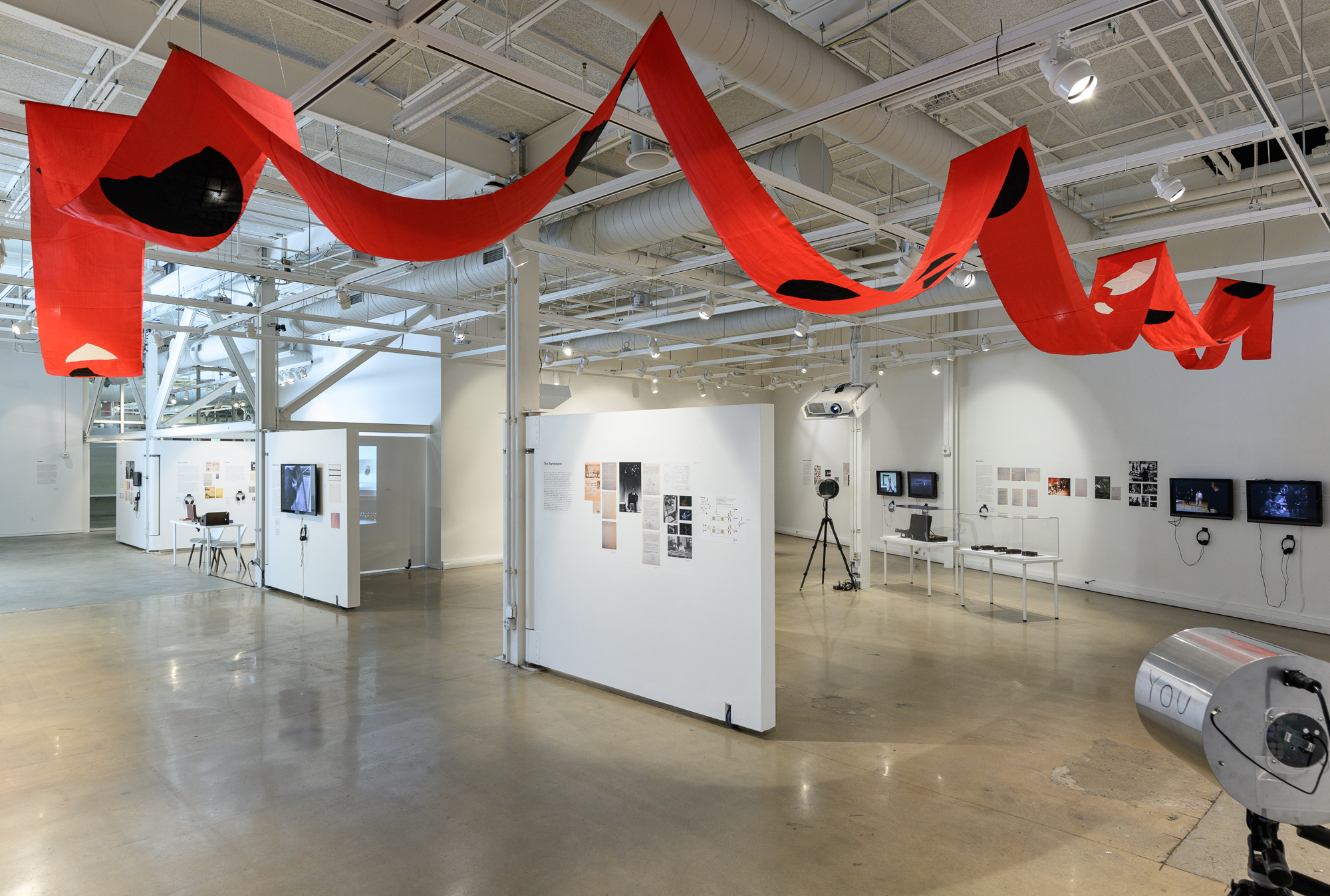
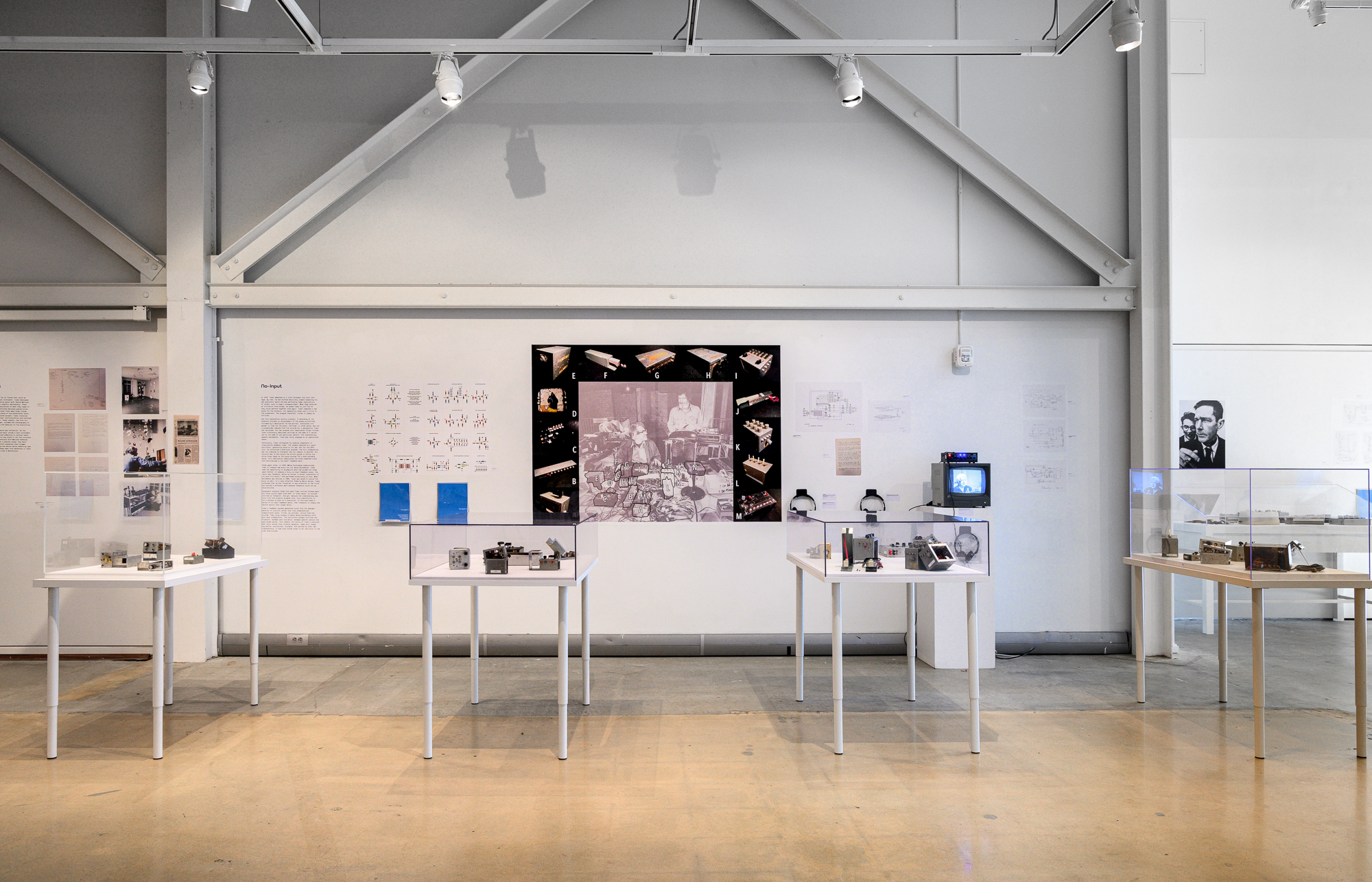
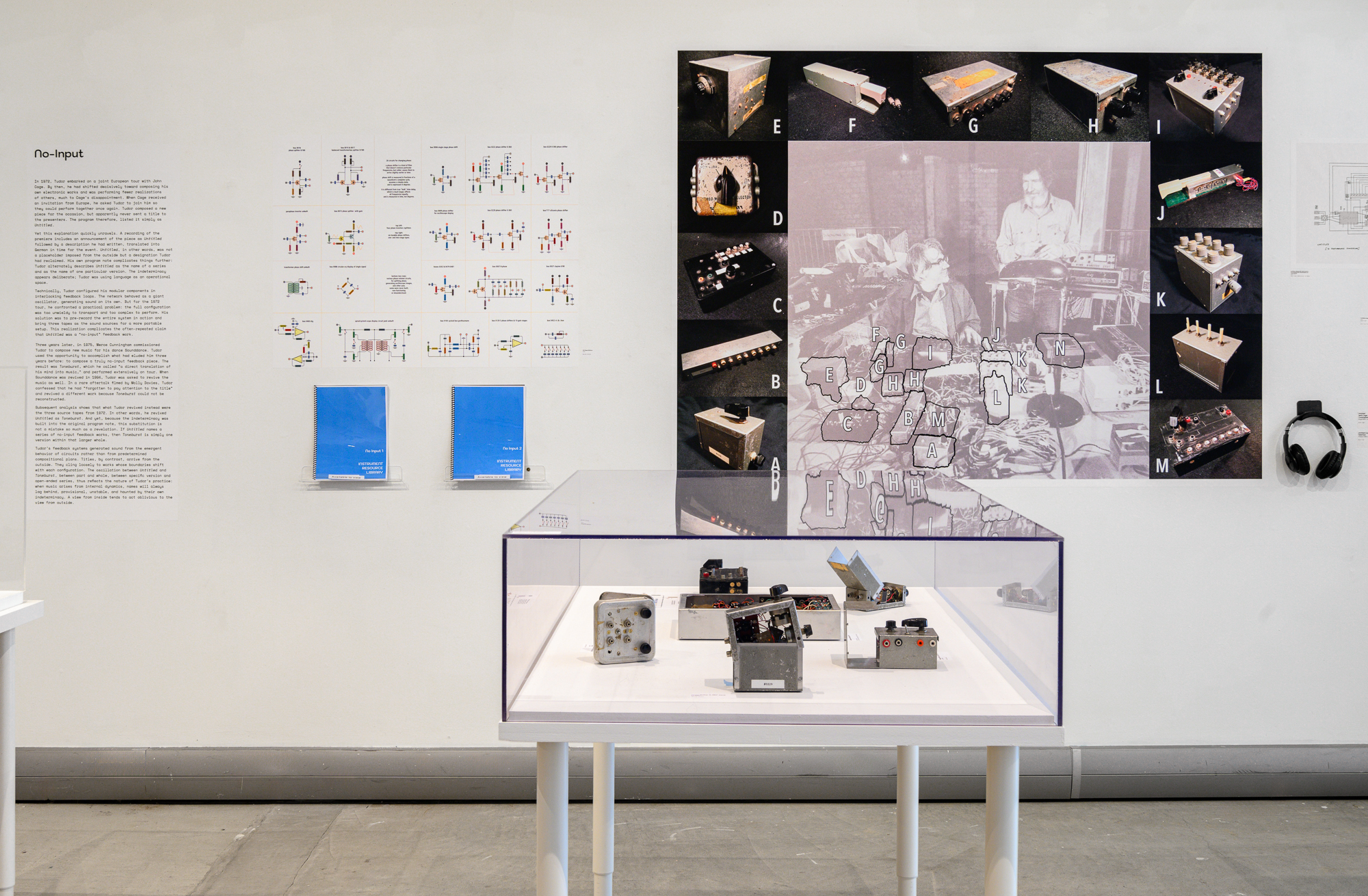
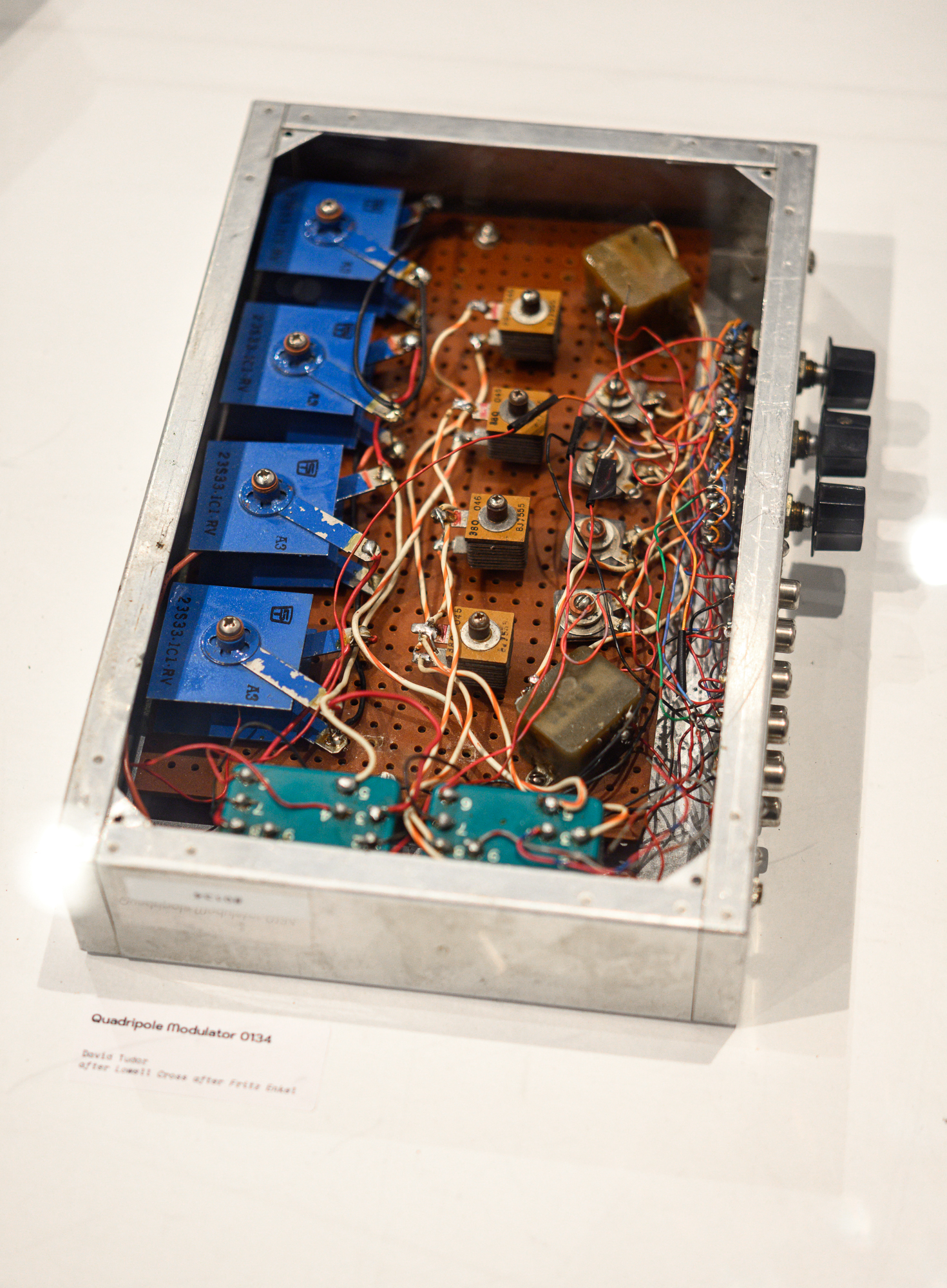
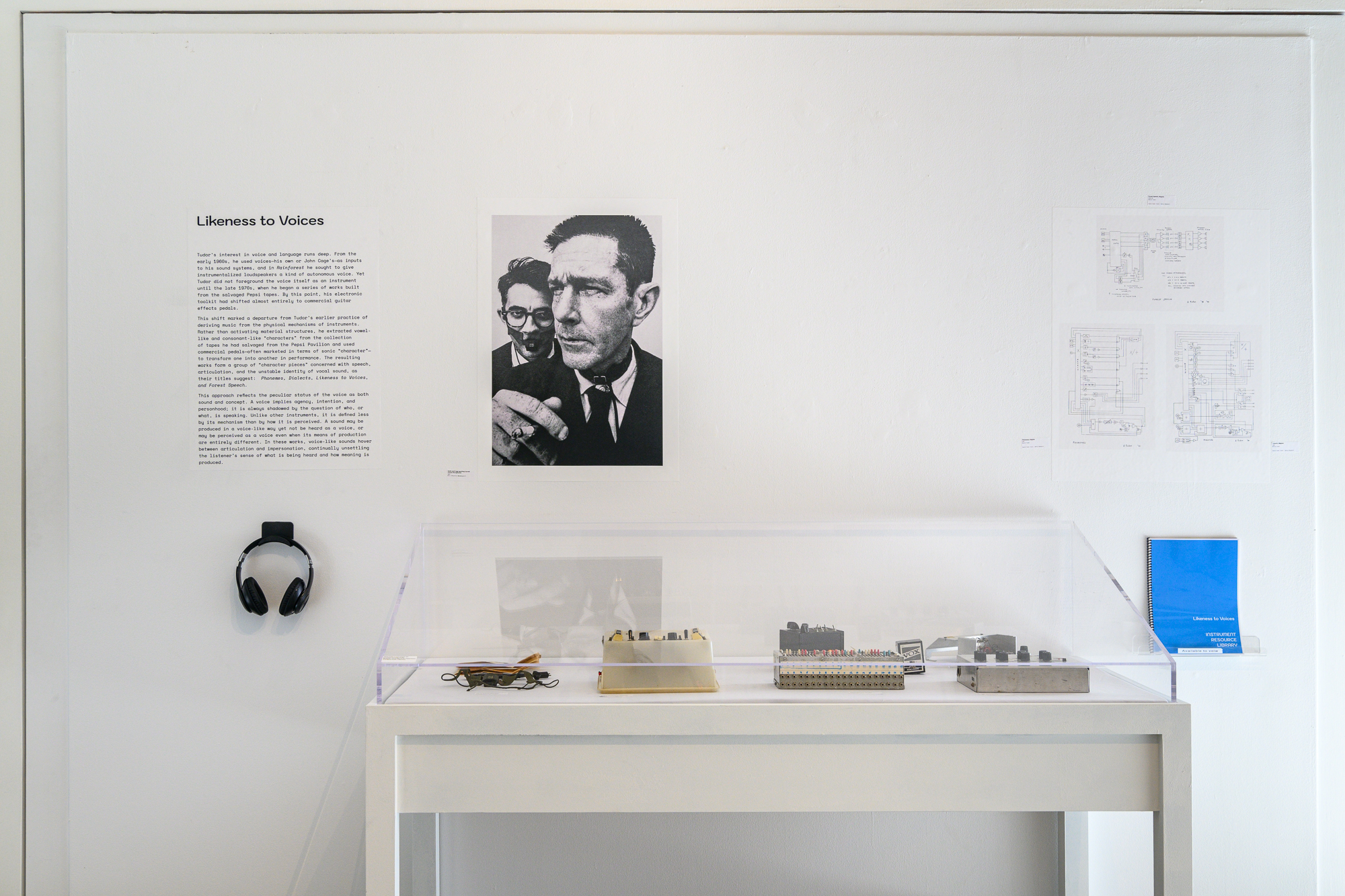
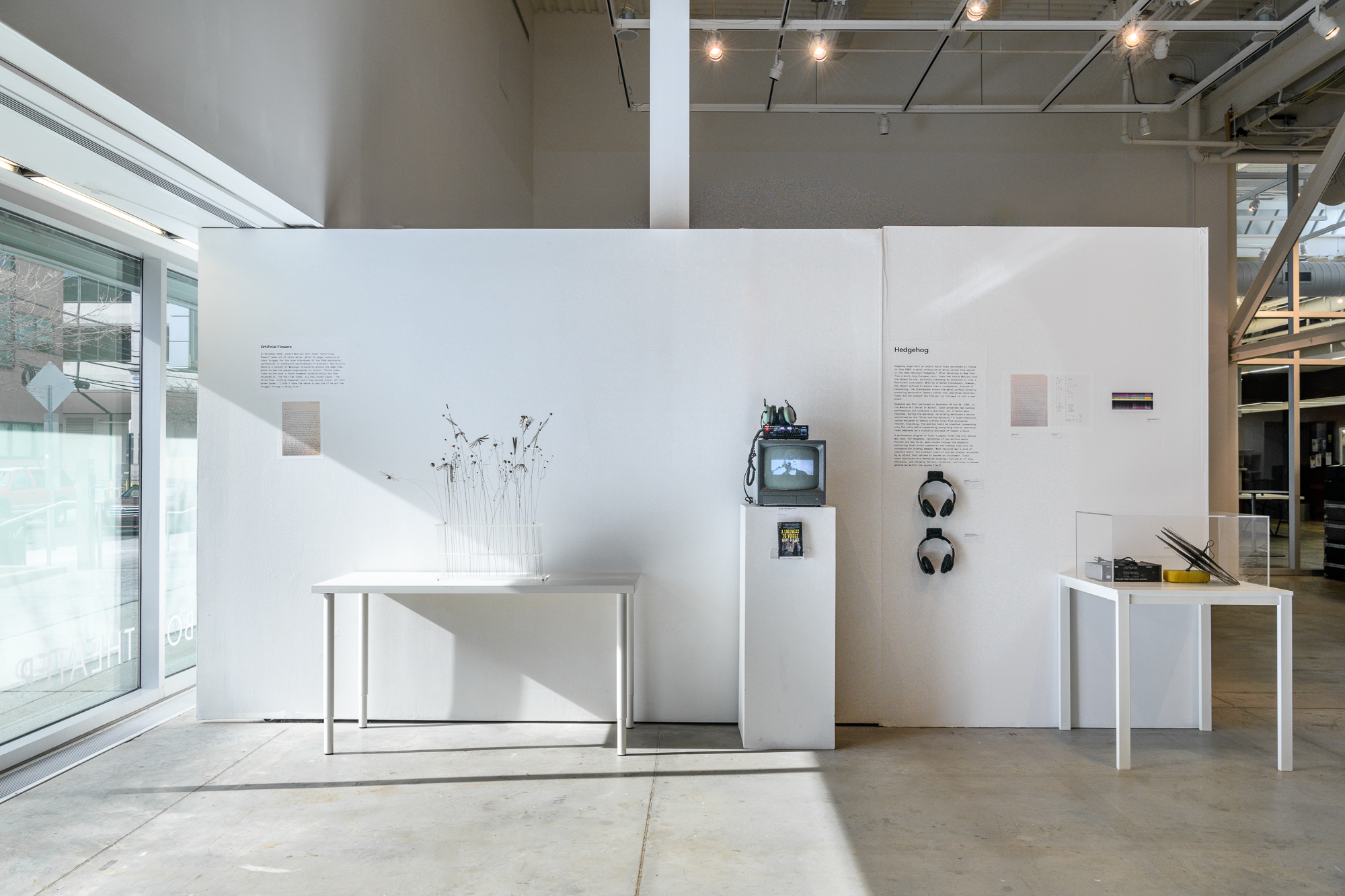
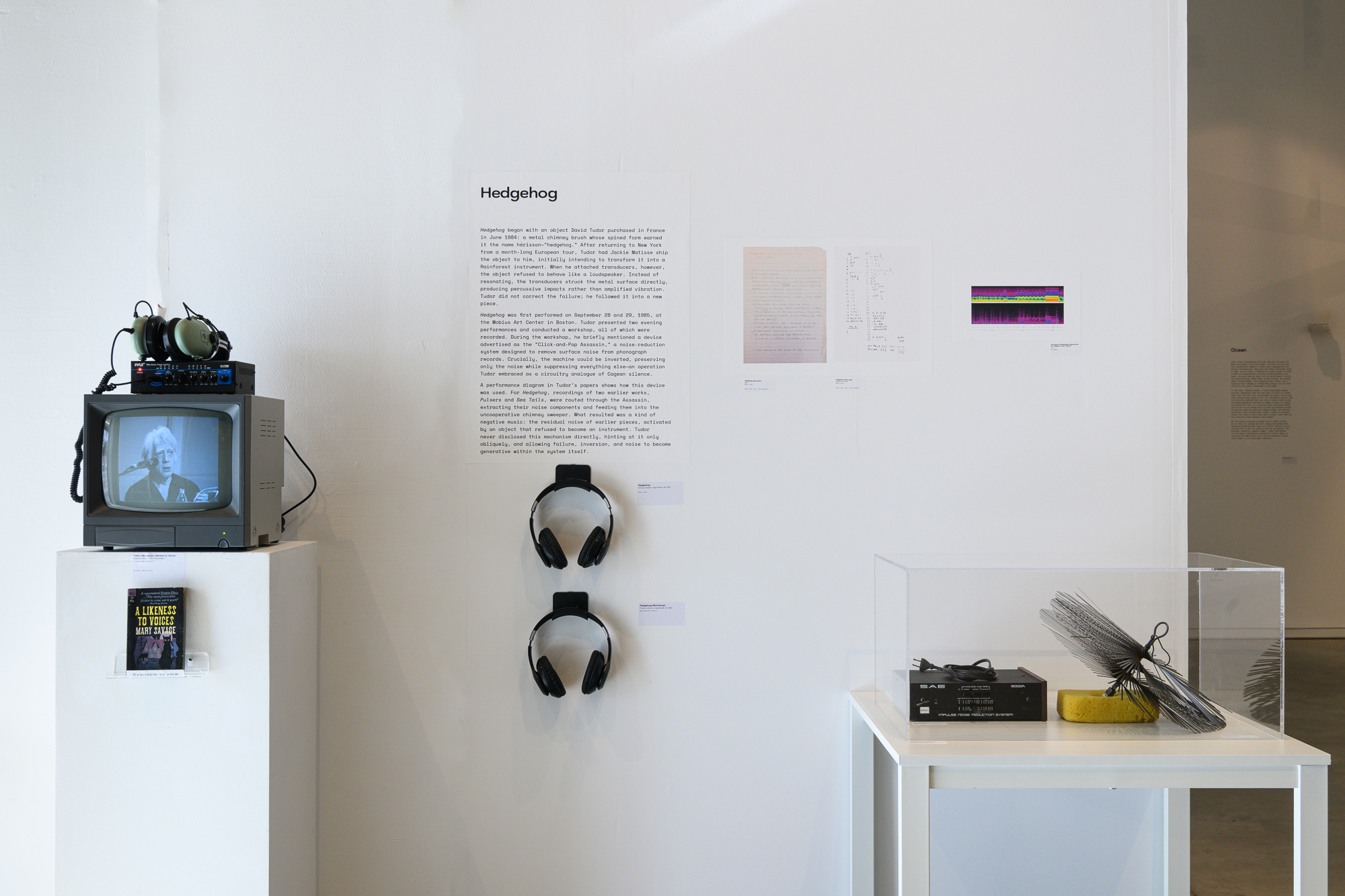
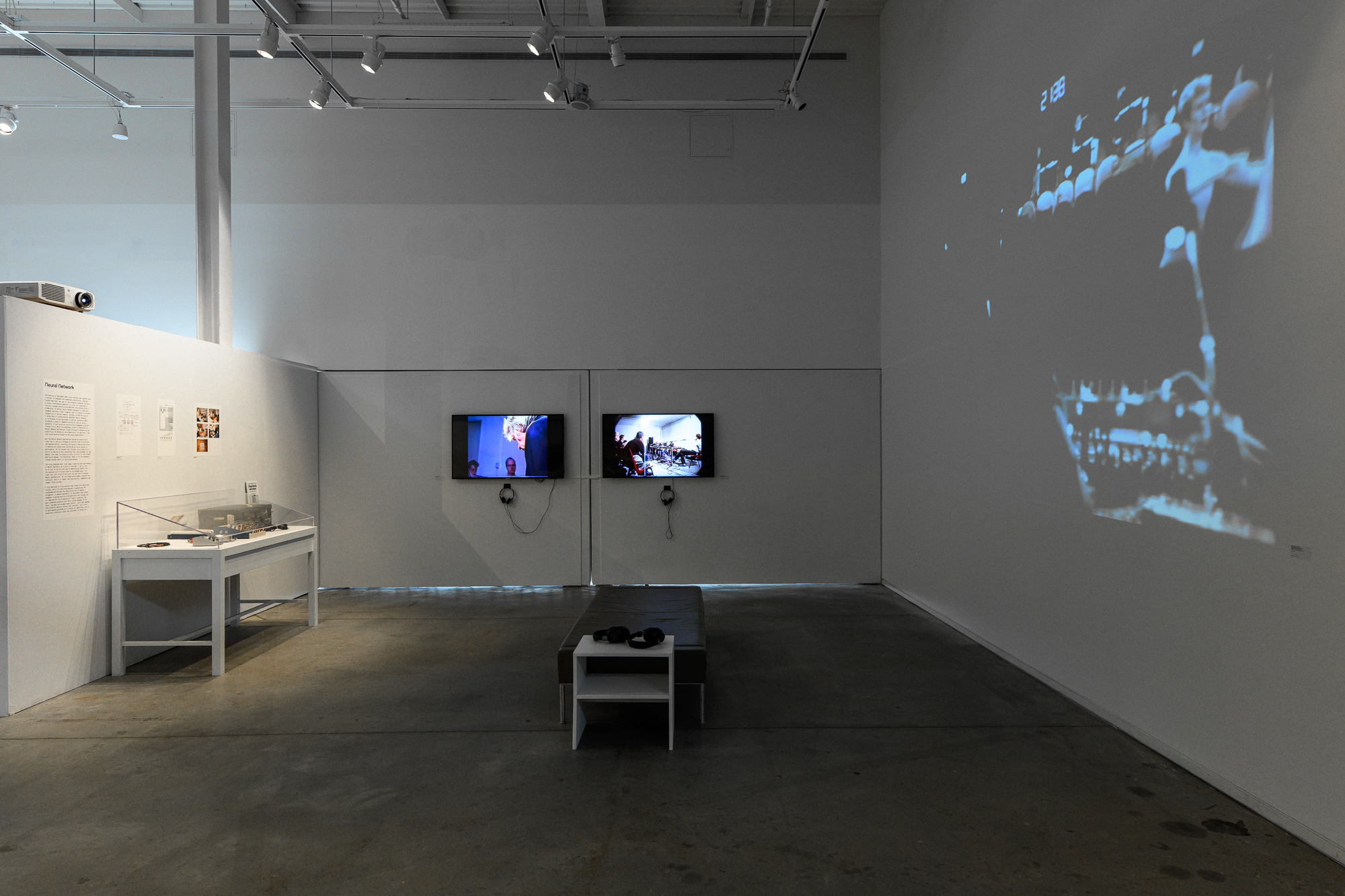
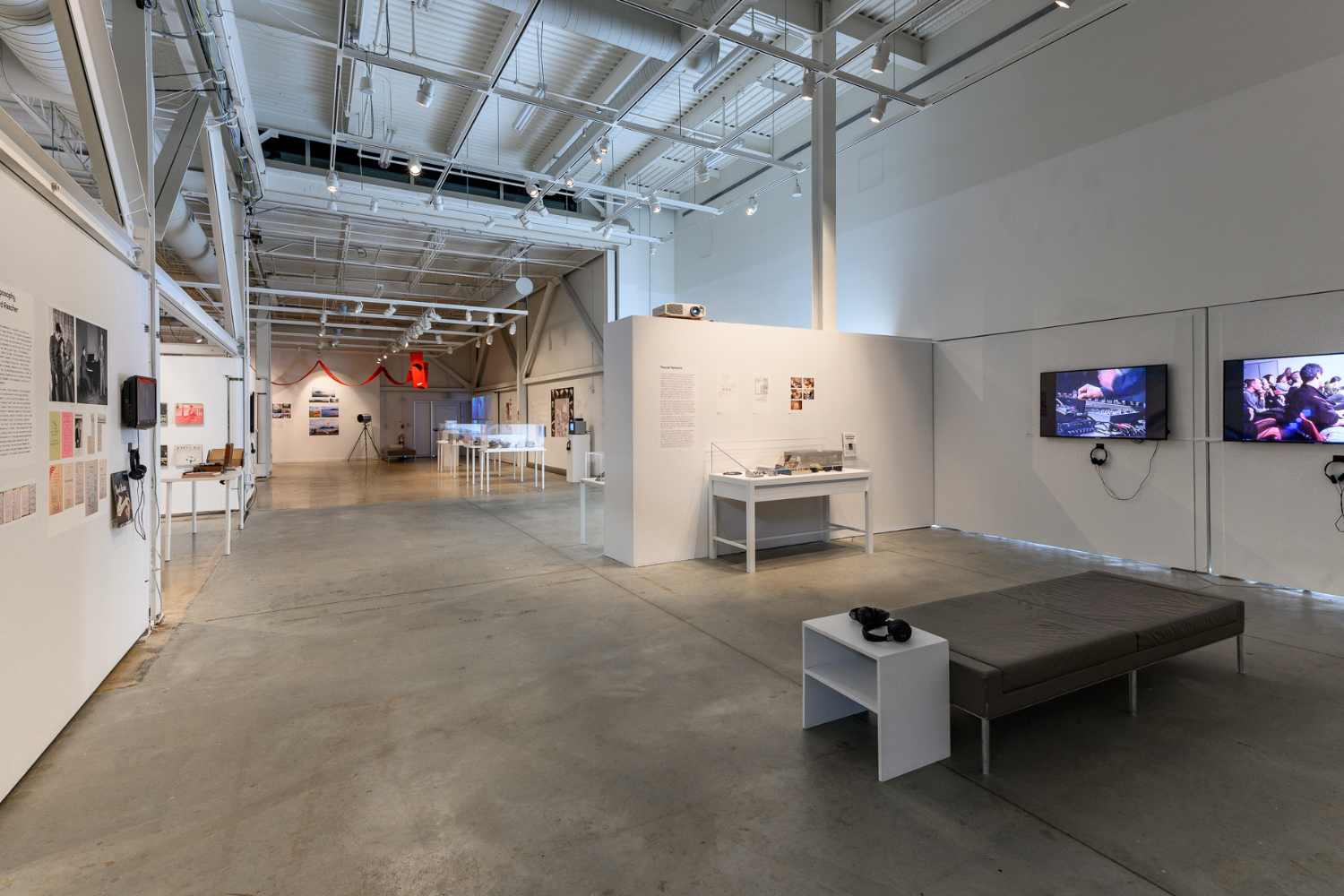
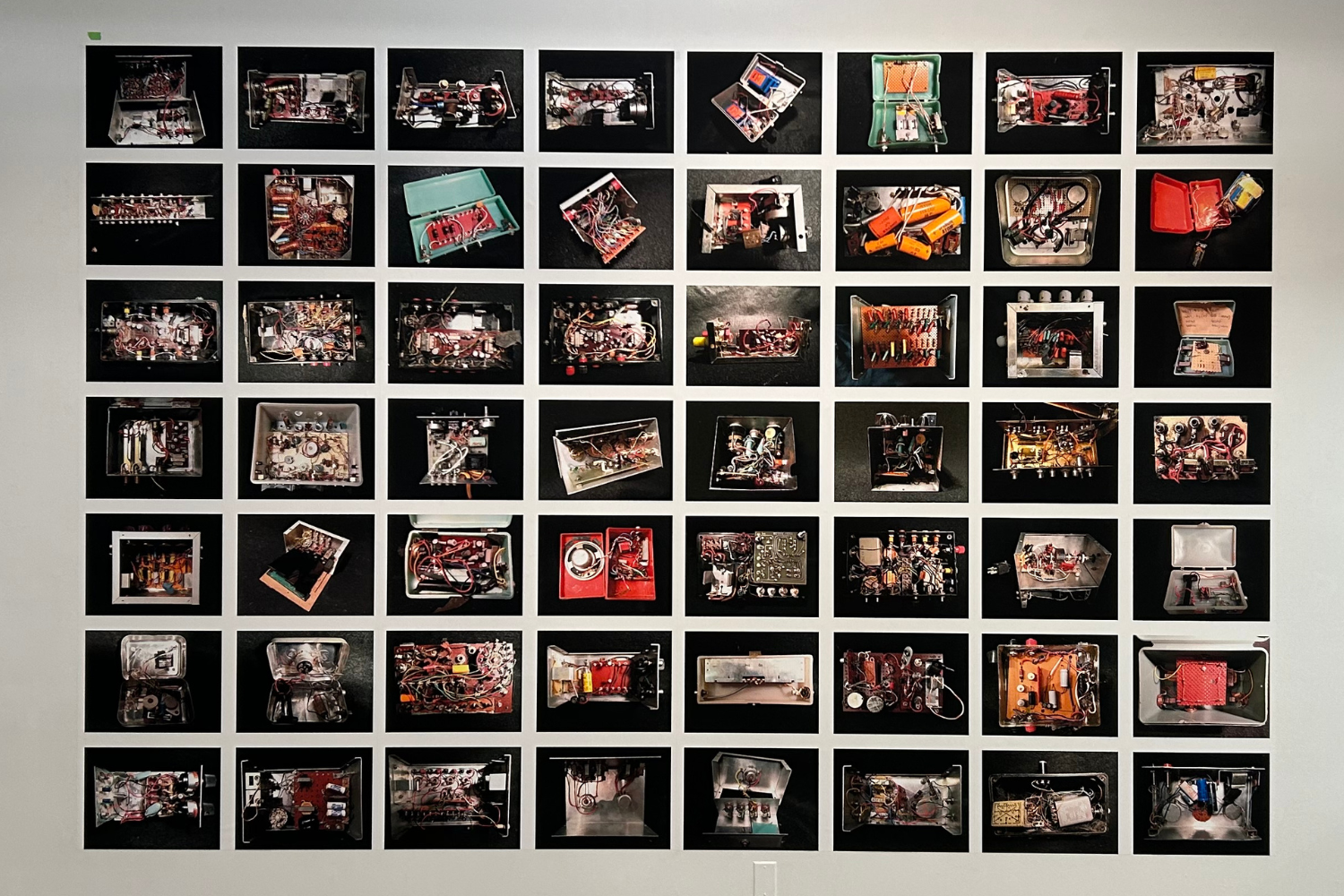
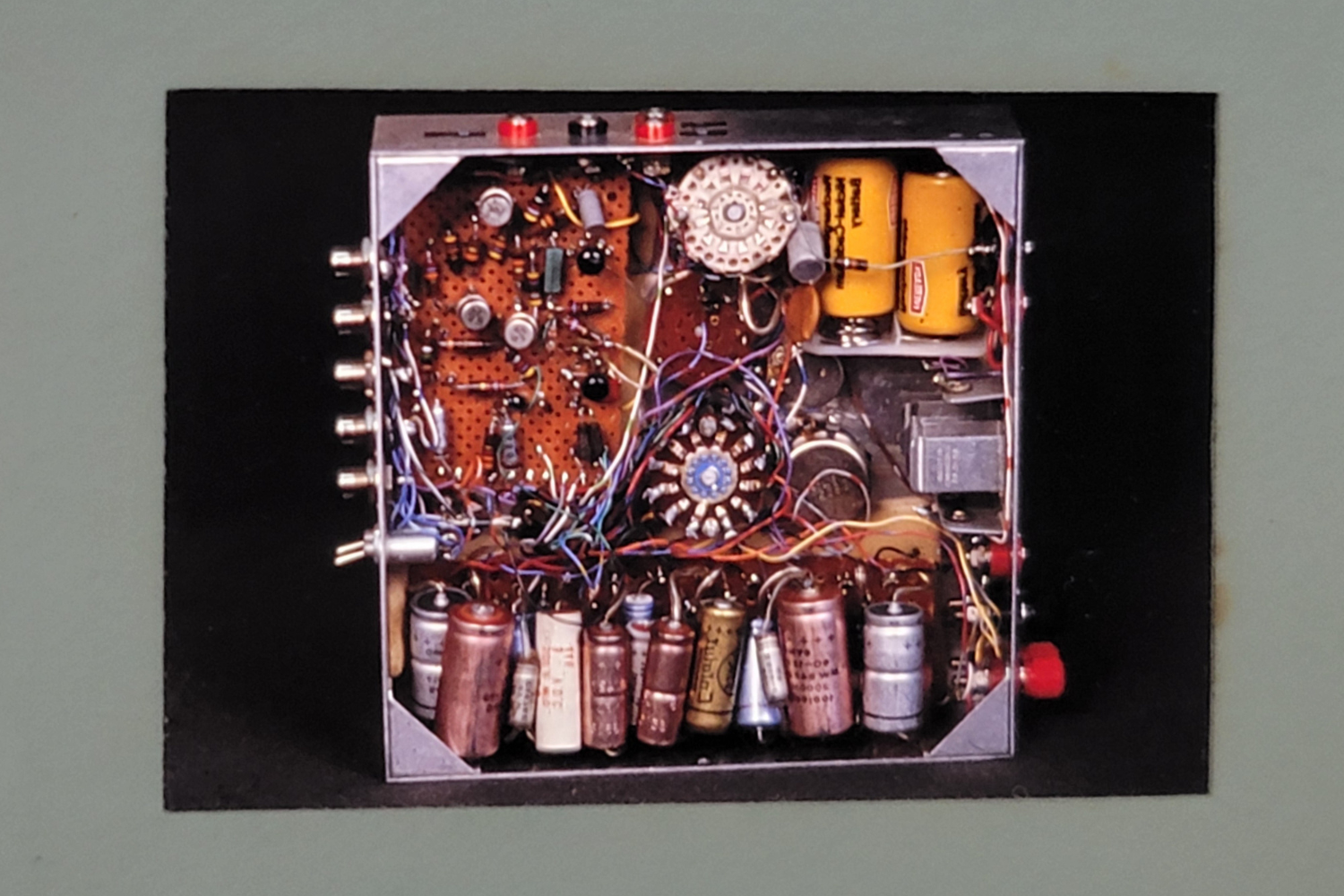
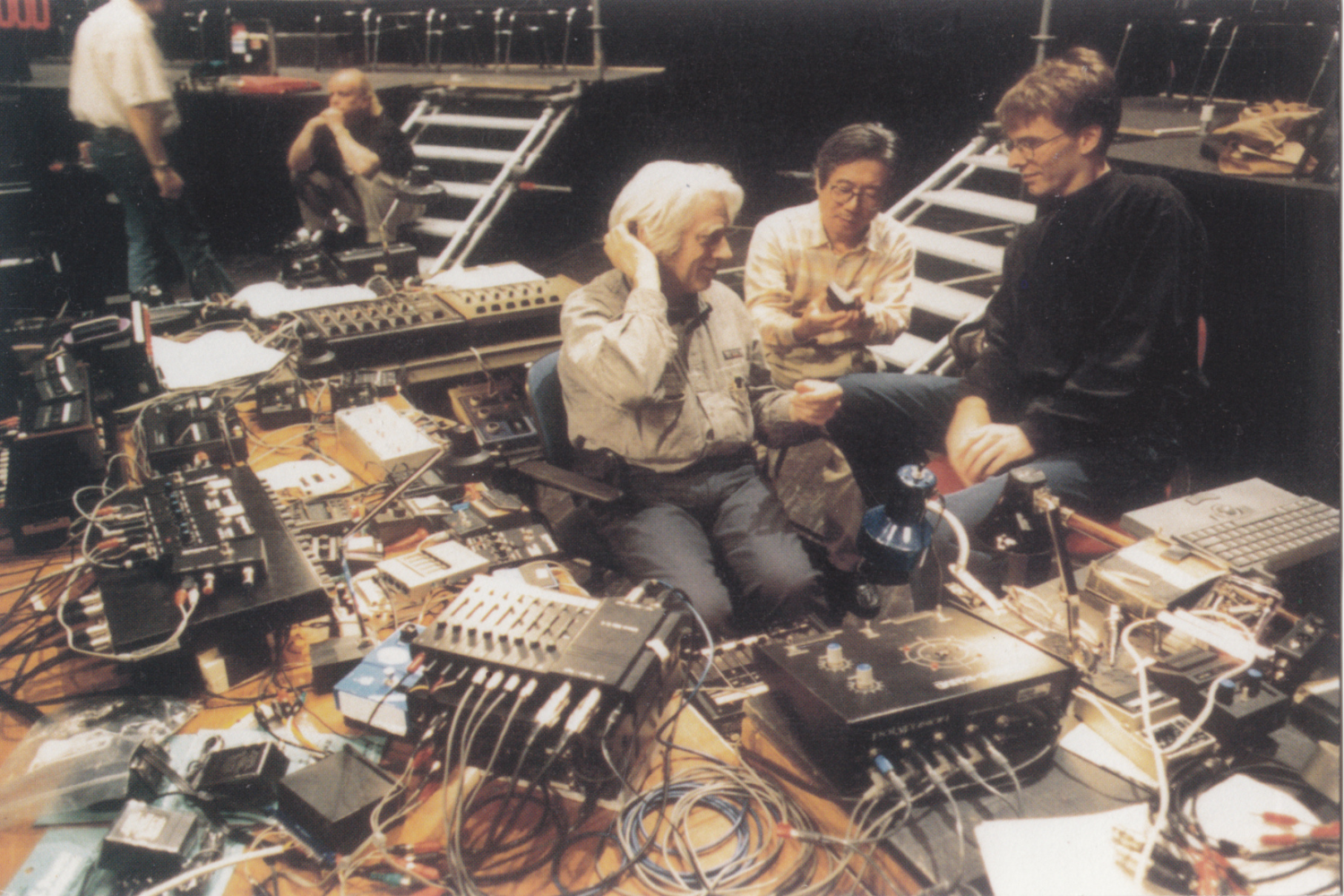
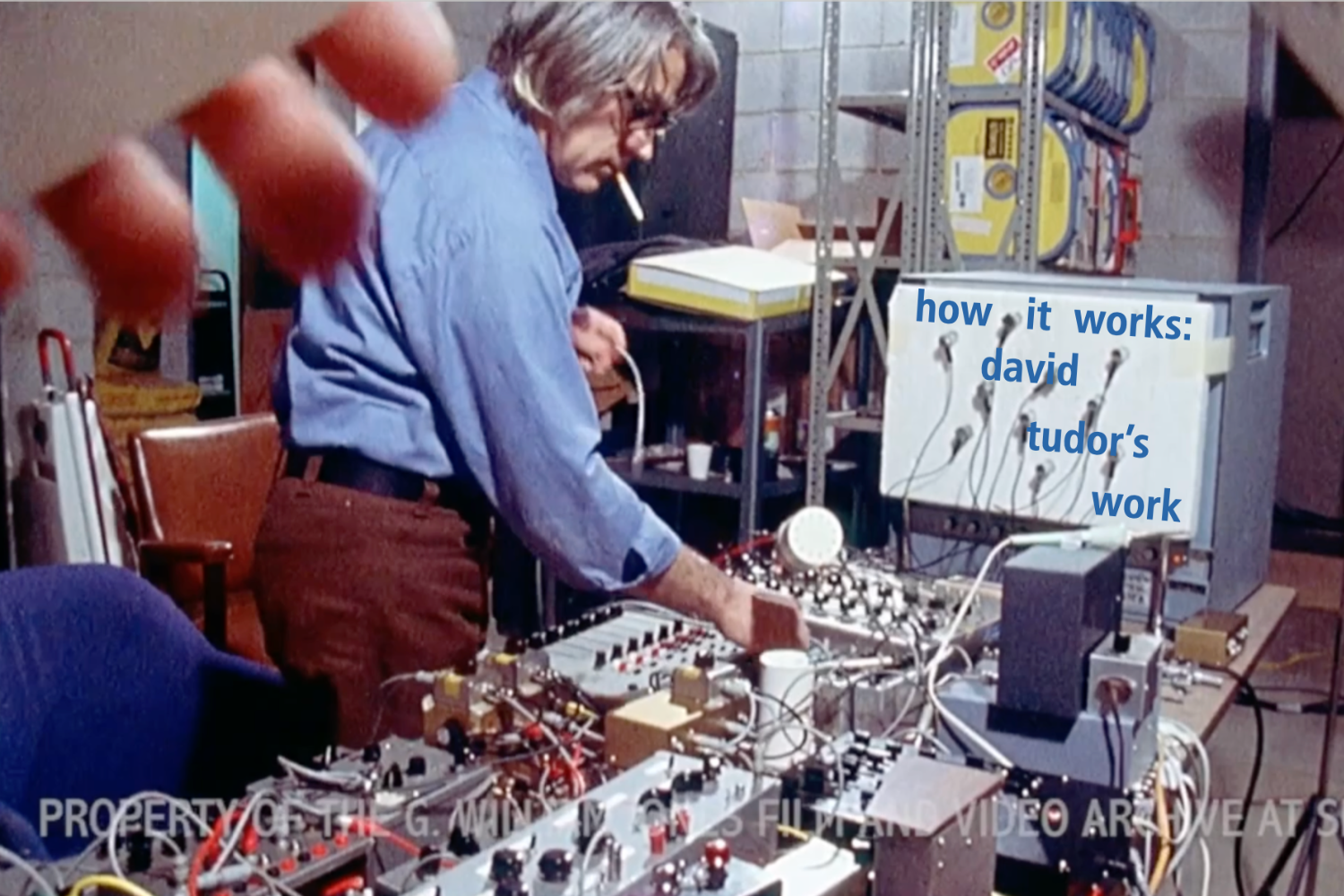
The exhibition brings together dozens of Tudor’s personal electronic instruments and related components—tone generators, signal processors, amplifiers, loudspeakers, custom circuitry, and other performance hardware—the first time such an extensive collection has been displayed and contextualized with historical and archival documentation, including newly commissioned schematic drawings. The show features rare archival material, most not available commercially or otherwise: more than 12 stations of moving image documentation, more than 20 listening stations, along with photographs, correspondence, diagrams, and working documents that illuminate Tudor’s creative process.
CREDITS
David Tudor: A View from Inside is organized by Bowerbird and co-presented with the Pearlstein Gallery.
The exhibition has been curated by You Nakai and Dustin Hurt. Technical drawings and additional curation by Michael Johnsen. Exhibition produced by Pete Angevine, with support from the Pearlstein Gallery staff, Mark Stockton, director. Additional contributions by John D. S. Adams, Composers Inside Electronics (John Driscoll and Phil Edelstein), Molly Davies, John Holzaepfel, Ron Kuivila, Julie Martin, the family of Jackie Matisse, and Nancy Perloff, among others.
David Tudor’s electronic instruments are provided courtesy of the Wesleyan University Department of Music and the Wesleyan World Instrument Collection.
Major support for DAVID TUDOR: A VIEW FROM INSIDE has been provided by The Pew Center for Arts & Heritage, with additional support from the Musical Fund Society of Philadelphia.

ABOUT THE EXHIBITION
On View: January 15 – March 21, 2026.
Opening Reception: Thursday, January 15, from 5:00-7:30pm
Gallery Hours:
Tuesday – Friday 12 p.m. – 6 p.m.
Saturday 12 p.m. – 5 p.m.
Location:
Pearlstein Gallery
Drexel University
URBN Annex
3401 Filbert Street
Philadelphia, PA 19104
More info about the Pearlstein is available here.
PROGRAMS

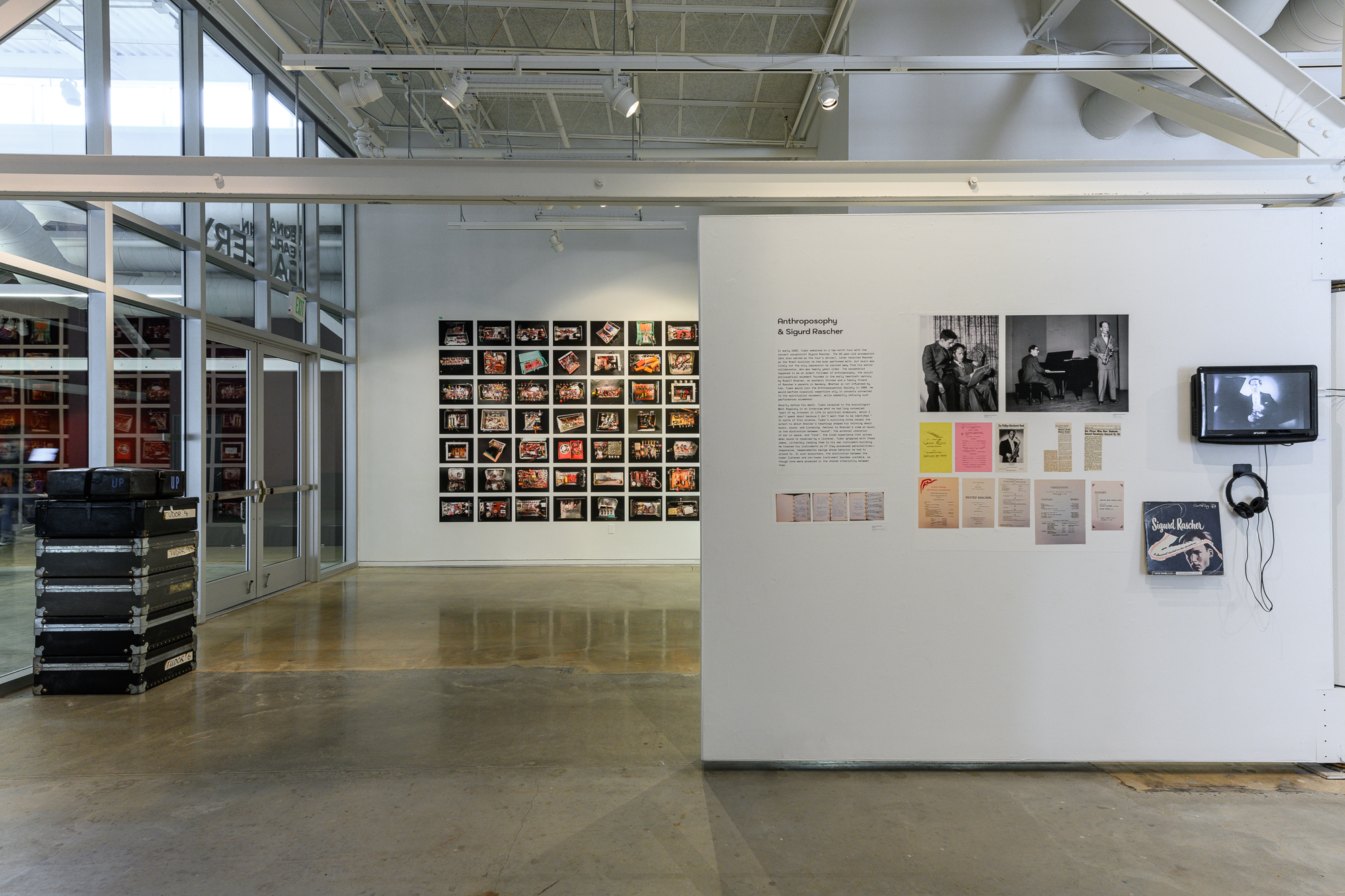
EXHIBITION INSTALLATION IMAGES
Photos by Constance Mensh