
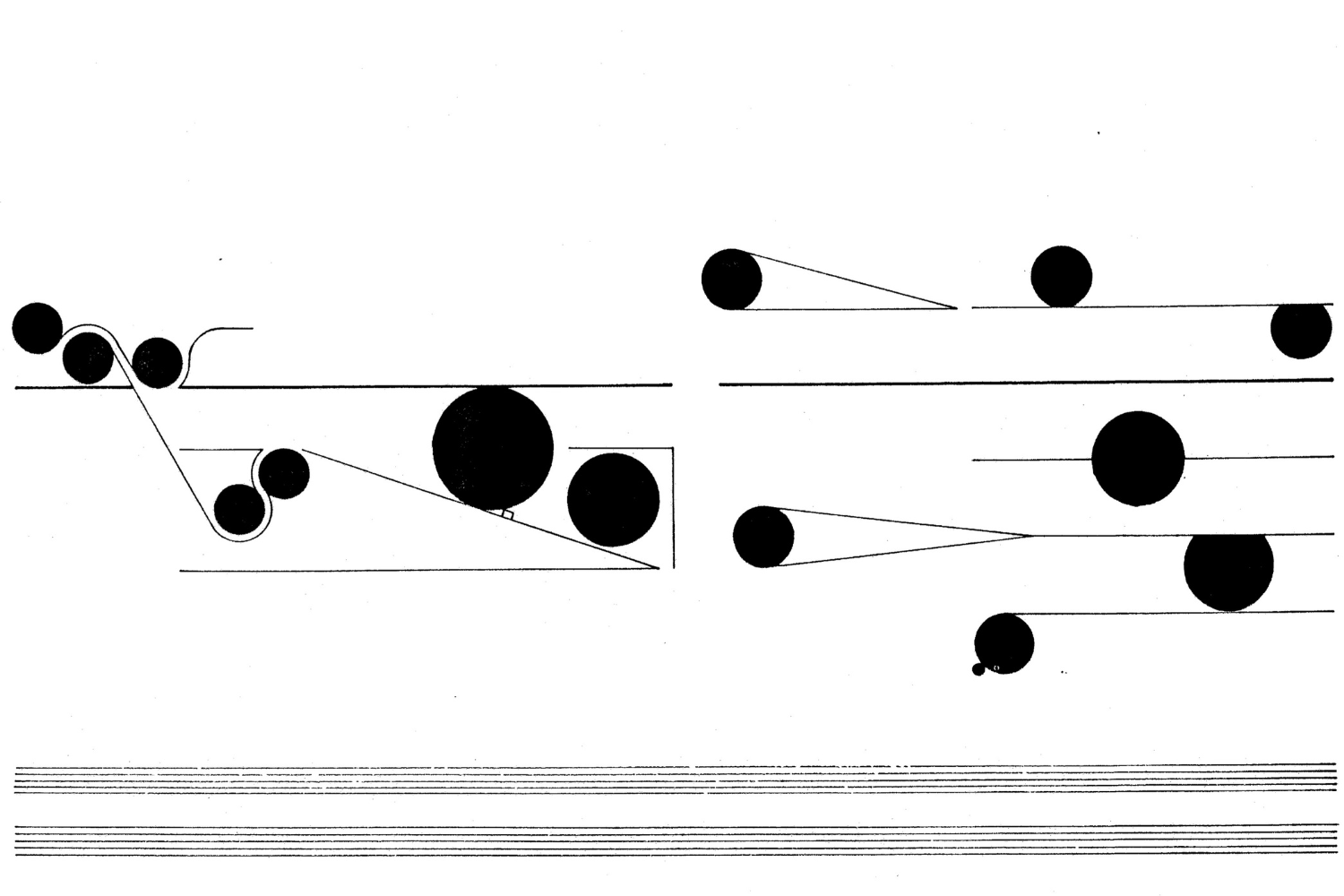
Bowerbird presents Arcana New Music Ensemble in a second performance of Cornelius Cardew’s landmark graphic score Treatise at The Rotunda.
Last November the ensemble performed about 20 of the score’s 193 pages. This year they take on a different set of pages, with the score projected so the audience can follow along.
About Treatise
Treatise has no instructions, no specified instrumentation, and no set duration. Across its 193 pages, a line runs above two empty staves, and around it Cardew placed a vocabulary of shapes. Some pages suggest clefs, staves, and note heads, and others give way to curves, solid black dots, and forms with no musical precedent. Any number of pages can be performed, by any number of players. Realizing the score takes discussion and interpretation, and no two performances sound alike.
Cardew worked on Treatise from 1963 to 1967, after his years as Stockhausen’s assistant and while working as a graphic designer. His encounter with John Cage and David Tudor in 1958 had already pulled him away from European serialism toward indeterminacy, and Treatise pushed that further than the New York School had. The title nods to Wittgenstein’s Tractatus Logico-Philosophicus, whose economy and rigor Cardew admired. The score was first published in 1967 by The Gallery Upstairs Press in Buffalo, New York, and in 1971 he wrote the Treatise Handbook, a set of working notes on its composition and early performances. His most quoted line on the piece:
“The sound should be a picture of the score, not vice versa.”
Within a few years Cardew had renounced the avant-garde and its notation, but he never withdrew Treatise from publication. It remains the best-known graphic score ever made.
Arcana New Music Ensemble
- Nicholas Handahl, flute
- Noa Even, saxophone
- Melinda Rice, violin
- Carlos Santiago, violin
- Alyssa Almeida, cello
- Andy Thierauf, percussion
About Cornelius Cardew
Cornelius Cardew (1936–1981) trained as a pianist and cellist at the Royal Academy of Music, then went to Cologne’s Studio for Electronic Music as Stockhausen’s assistant, working on the score of Carré. After the Cage and Tudor concert in 1958 he turned to indeterminate music, producing The Great Learning and Treatise. In 1966 he joined the improvising group AMM, and in 1969 he co-founded the Scratch Orchestra, which brought trained and untrained musicians together under a “reverse seniority” ethos.
In the 1970s he turned to explicitly political music, populist, Marxist, and Maoist in outlook, and wrote the polemic Stockhausen Serves Imperialism. He died on December 13, 1981, in a hit-and-run accident; the driver was never found.
About Arcana New Music Ensemble
Founded in 2015, Arcana is a Philadelphia chamber ensemble that presents contemporary classical music in unconventional places. It performs works by living composers and revisits music of the past, often by overlooked composers. Arcana is known for portrait concerts, which explore a composer’s work in depth by pairing widely recognized names with those who are lesser known or historically underrepresented.
More concerts
See all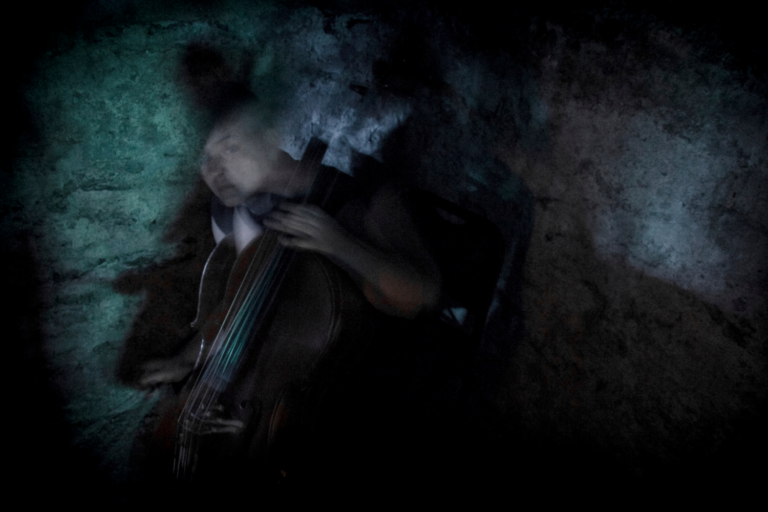 Sat, Nov 7 · 8:00pmMusic of Laura Cetiliaperformed by Jack Yarbrough (piano), Hannah Soren (cello), and Laura Cetilia (cello)University Lutheran
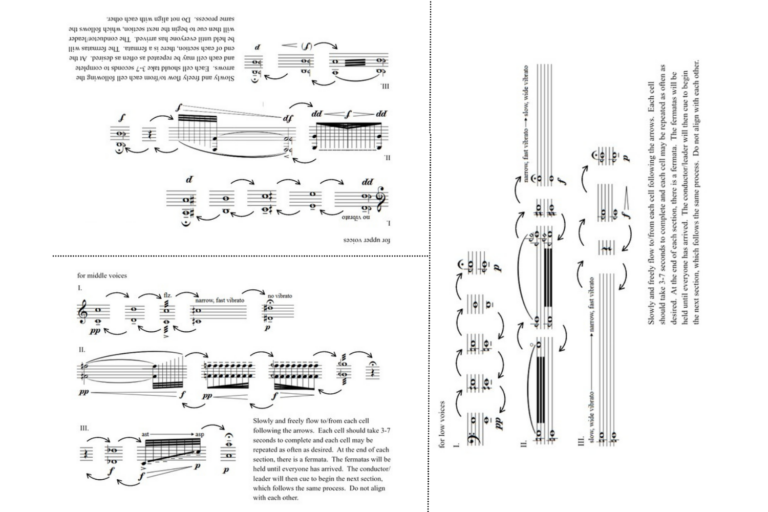 Sun, Nov 8 · 8:00pmPostal Pieces 3Arcana New Music EnsembleThe Perch
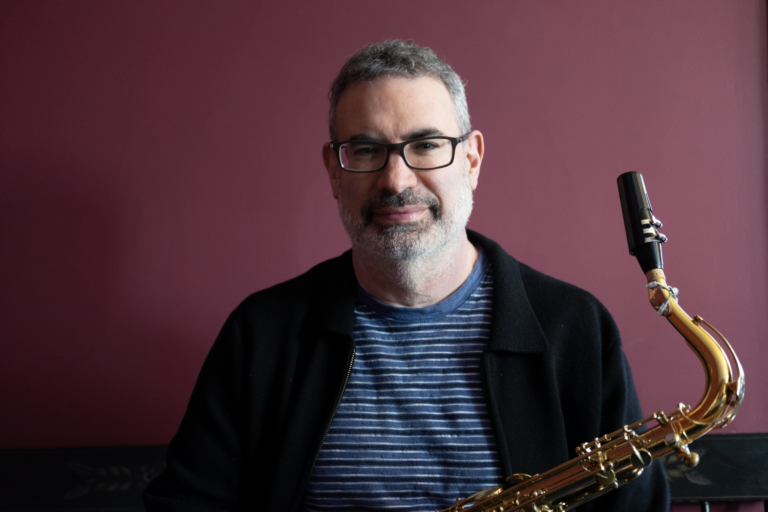 Fri, Dec 4 · 8:00pmWater Can Assume Any FormMatthew Levy, tenor saxophone and electronicsThe Rotunda