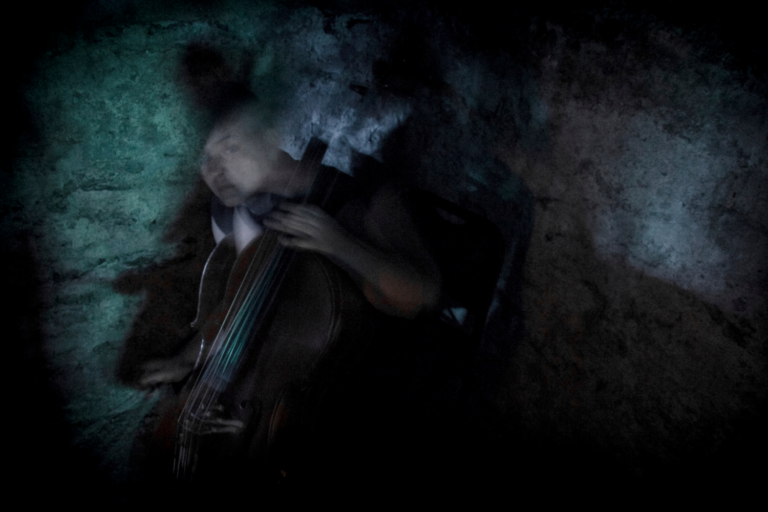
Artist Focus: Laura Cetilia
The cellist and composer brings three works to University Lutheran on November 7, from the quiet end of contemporary composition.
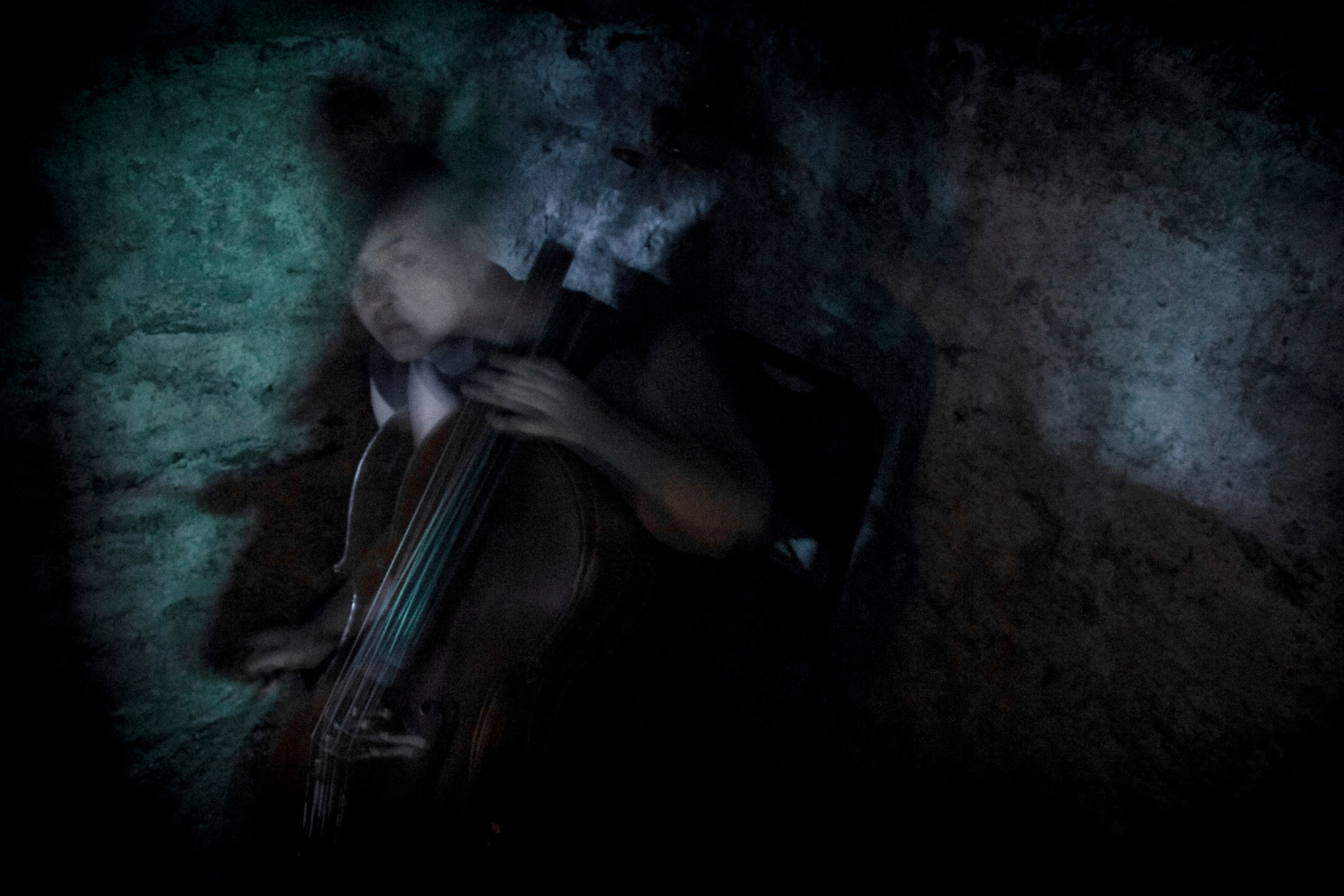
Ahead of our concert with Laura Cetilia on Saturday, November 7, 2026, we wanted to share some of her music with you. Jack Yarbrough will join Laura on piano, with Hannah Soren on cello, and they will play three of Laura’s pieces: laminae, for solo piano; becoming of shadows, for cello and piano; and soil + stone, for two cellos.
If you spend time with Morton Feldman’s late works, John Cage’s Number Pieces, or the Wandelweiser composers, we think you will want to be in the room for this one. Laura has been in that world a long while — she plays in Ordinary Affects, who have performed and recorded with Jürg Frey, Michael Pisaro, Christian Wolff and Eva-Maria Houben.
Two of the three pieces are on record, both of them on Yuko Zama’s elsewhere label. We have put them below so you can hear them before the concert.
While we were putting this concert together we read two things we want to pass along.
Peter Margasak wrote about gorgeous nothings in his November 2025 column for Bandcamp Daily. He argues that the line between Laura the cellist and Laura the composer is an illusory one, and writes about a sound world built from the smallest gestures and the most internal utterances, an intimacy so close to each sound that it turns fragile, and a balance held as though one misstep would bring it down. The solo title piece, he says, feels “weightless and deeply profound.”Read it in Bandcamp Daily →
And when gorgeous nothings came out, Zama published a long conversation with Laura on the label’s site. She asks Laura about her strongest motivations in composing, how Emily Dickinson’s The Gorgeous Nothings shaped the record, why she chose the cello and what its sound draws out of her, the composers and cellists who inspire her, the kind of music she is aiming for, and what moves her outside of music.Read the full conversation →
We hope to see you there.